


NEWS CENTER
Oasis Iceberg
02
2025
-
01
Do closed-circuit cooling towers require frequent water replenishment during operation?
In summary, the makeup water quantity of a closed-circuit cooling tower is a dynamically changing value, affected by multiple factors. To ensure the stable operation and extended service life of the cooling tower, it is necessary to reasonably determine the makeup water quantity and take corresponding control measures based on the actual situation.
The makeup water for a closed-circuit cooling tower is not a fixed value but a dynamic range that varies depending on several factors. The following is a detailed explanation of the makeup water volume for closed-circuit cooling towers:
I. Makeup Water Calculation
Calculation based on evaporation, drift, and dilution:
Evaporation: Typically accounts for approximately 0.54% of the circulating water (assuming a 5℃ inlet-outlet water temperature difference).
Drift: Relatively small, approximately 0.001% of the circulating water, and sometimes negligible.
Dilution: Affected by various factors such as air pollutant quality, makeup water quality, and concentration factor, approximately 0.08% of the circulating water (for air conditioning systems).
Adding these three parts together gives the approximate range of makeup water for a closed-circuit cooling tower. However, please note that this is only a theoretical calculation; the actual makeup water volume may vary depending on operating conditions and environmental factors.
Calculation based on the percentage of circulating water:
Makeup water is typically 0.7% to 1.5% of the circulating water. This is a common makeup water range; the specific value depends on the specific model, operating conditions, and environmental conditions of the cooling tower. 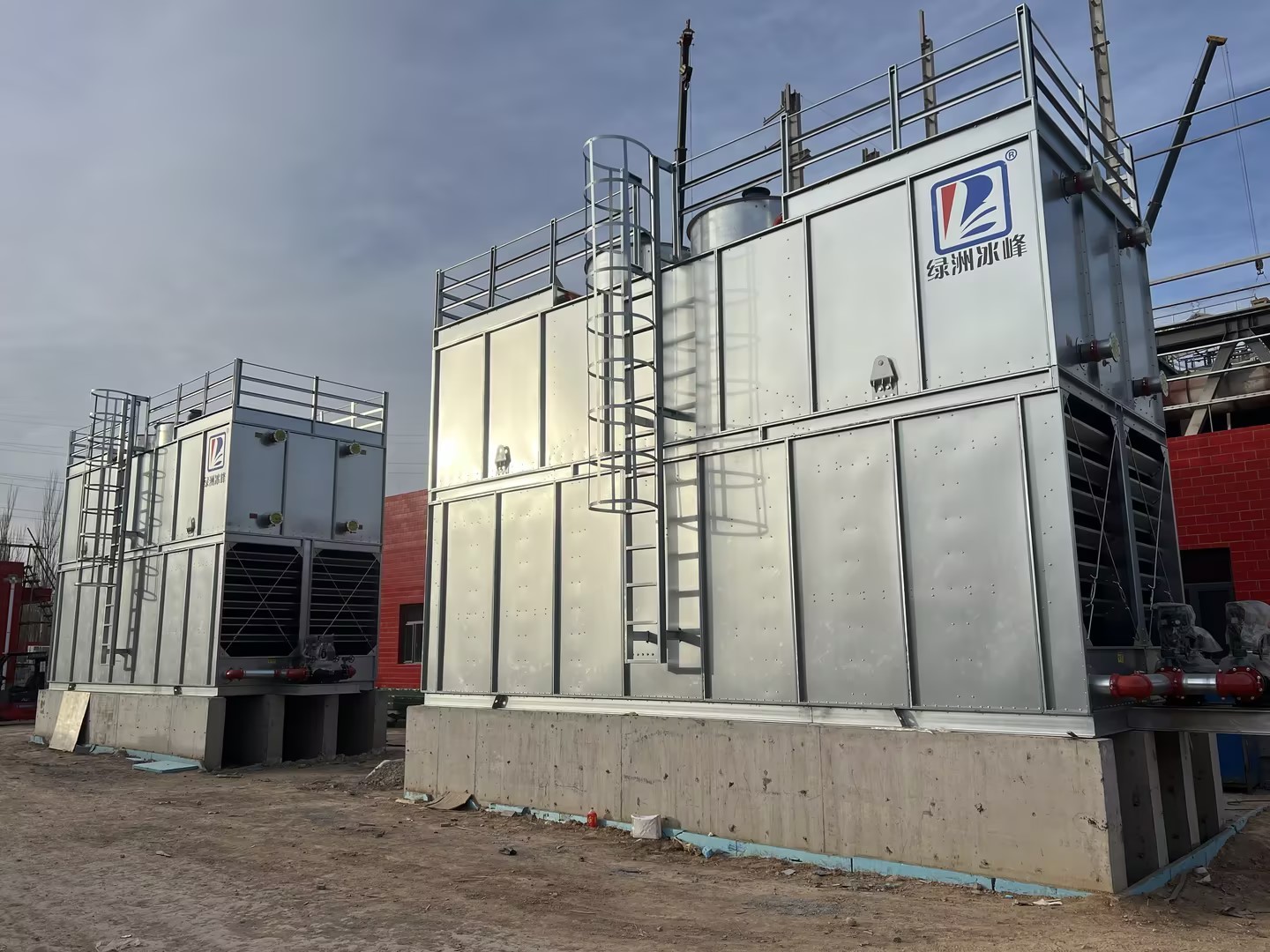
II. Factors Affecting Makeup Water Volume
Inlet-outlet water temperature difference: The larger the inlet-outlet water temperature difference, the greater the evaporation, and thus the makeup water volume will also increase accordingly.
Air humidity and temperature: Air humidity and temperature affect the evaporation rate and thus the makeup water volume.
Cooling tower design and structure: The design and structure of the cooling tower (such as the type of fill, fan speed, etc.) also affect the evaporation and makeup water volume.
Water quality and pollutants: The quality of the water and the content of pollutants affect the amount of dilution and thus the makeup water volume. 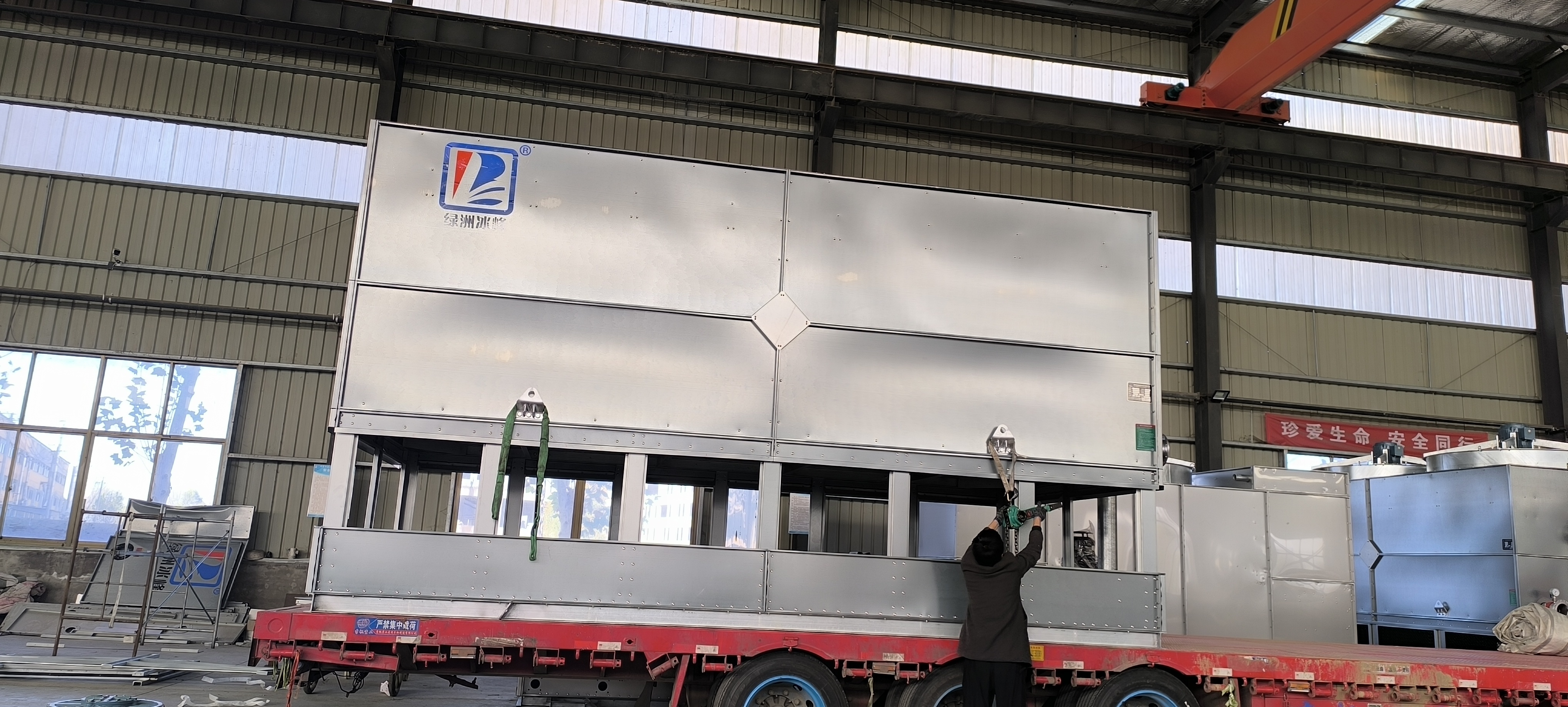
III. Makeup Water Control
Monitoring and control: By installing water level sensors and a control system, water level changes can be monitored in real time, and the makeup water volume can be adjusted as needed.
Water quality management: Regularly test the water quality and take appropriate treatment measures (such as adding chemical treatment agents, cleaning pipes, etc.) to maintain stable water quality and reduce dilution.
Maintenance: Regularly maintain the cooling tower (such as cleaning the fill, checking the fan, etc.) to ensure its normal operation and reduce the occurrence of problems such as water leakage. 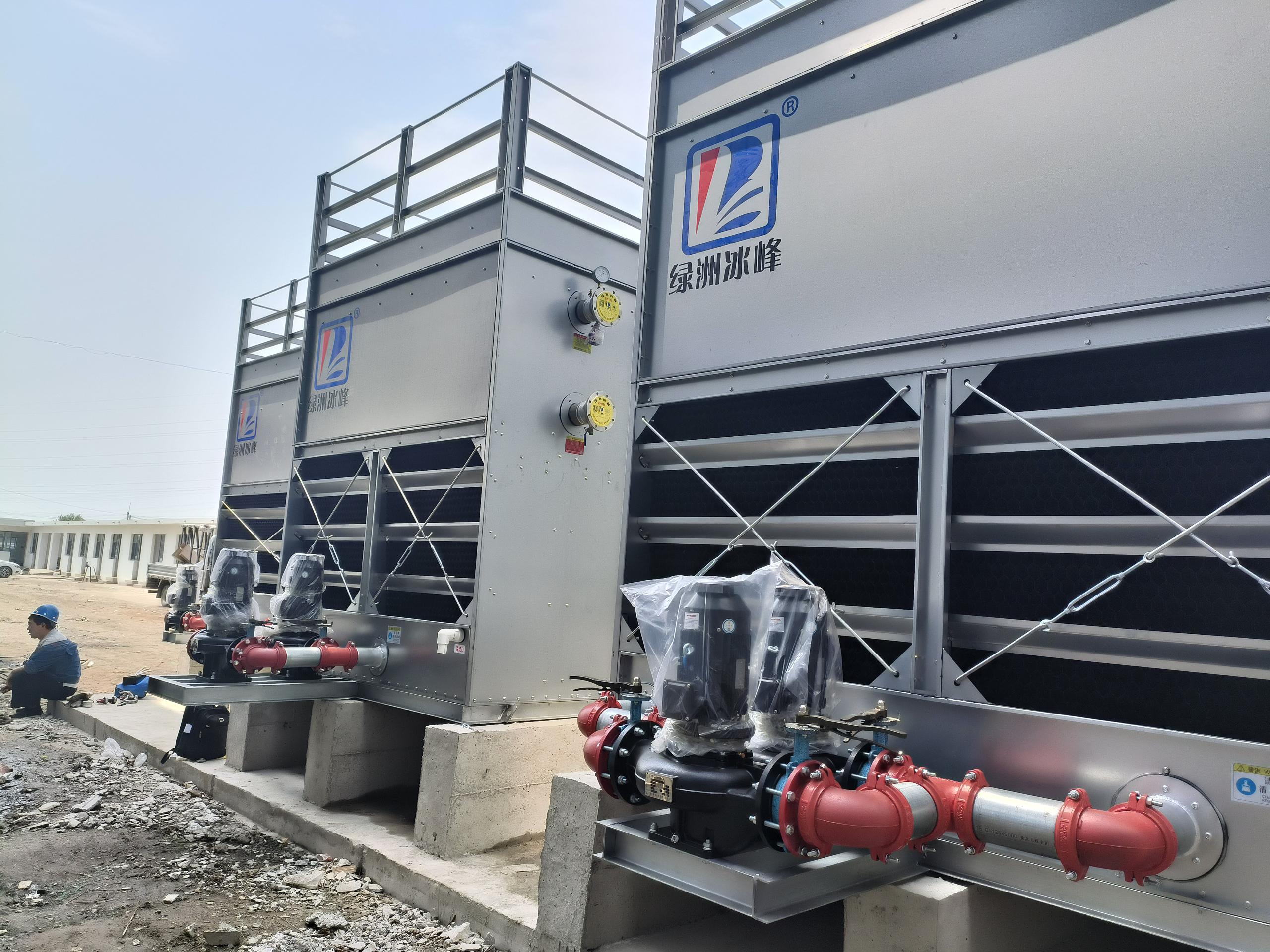
In summary, the makeup water volume of a closed-circuit cooling tower is a dynamically changing value affected by multiple factors. To ensure the stable operation and extend the service life of the cooling tower, it is necessary to reasonably determine the makeup water volume and take corresponding control measures according to the actual situation.
Closed-circuit cooling tower,Cooling tower,Evaporative cooling,Wet and dry cooling tower,Closed-circuit cooling tower,Closed-circuit cooling tower



Oasis Bingfeng Fluid Equipment Co.,Ltd
Contact Phone:+86 4000 616 676
Fax:+86 0310 3178005
E-mail:sales@hdbingfeng.com
Contact Address:No.1, Happiness Road, Feixiang Economic Development Zone, Handan City, Hebei Province
Copyright©2024 Oasis Bingfeng fluid equipment co., ltd