


NEWS CENTER
Oasis Iceberg
19
2024
-
12
Reasons why the temperature of industrial circulating water cannot be lowered!
Reasons for the inability of a closed-circuit cooling tower to lower water temperature may involve multiple aspects, including insufficient air volume, uneven spraying, improper selection, aging or damage of equipment, water quality issues, and improper operation and maintenance. To solve this problem, it is necessary to investigate and repair from multiple perspectives to ensure the normal operation and cooling effect of the closed-circuit cooling tower.
There are several reasons why the water temperature in a closed-circuit cooling tower may not decrease. A detailed analysis of these reasons is provided below:
I. Insufficient Airflow https://www.hdbingfeng.cn/case/7.html
Fan Issues: Fans are key components that accelerate air flow within the tower, increasing heat exchange between air and water. If the fans are improperly sized or installed (e.g., the cooling tower is placed indoors or the air intake is obstructed), insufficient airflow can result, impacting heat exchange efficiency and preventing the water temperature from decreasing.
Fan Malfunctions: Fan blade deformation, breakage, bearing damage, or transmission system malfunctions (such as loose or broken belts) can all reduce airflow, thus affecting heat exchange effectiveness. 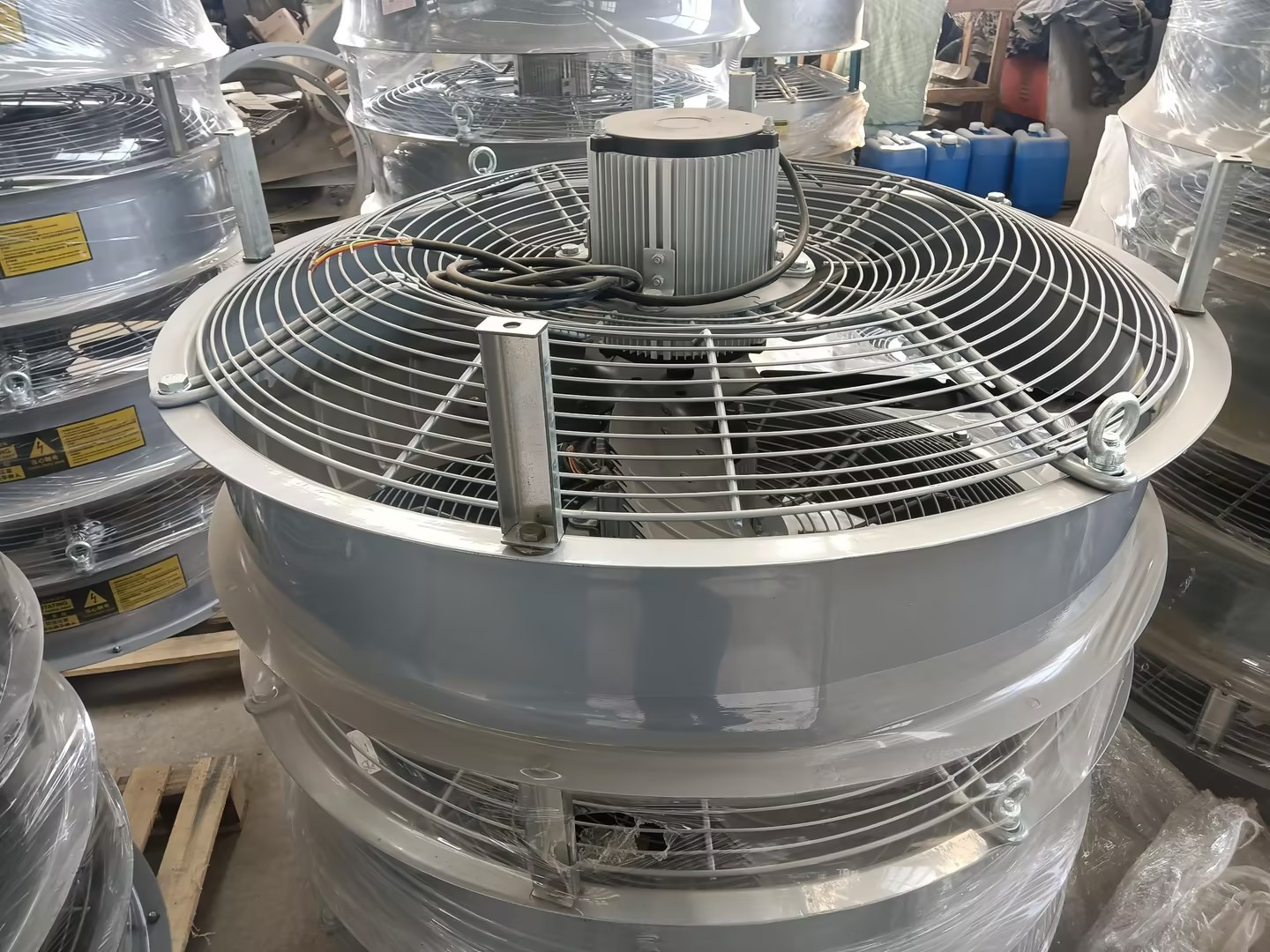
II. Uneven Spray
Clogged Spray Nozzles: Clogged spray nozzles lead to uneven spraying, resulting in insufficient water in some areas and reduced cooling efficiency. Spray nozzles should be regularly inspected, cleaned, or replaced.
Distribution Water Tank Issues : Poorly designed or malfunctioning distribution water tanks can also cause uneven spraying. 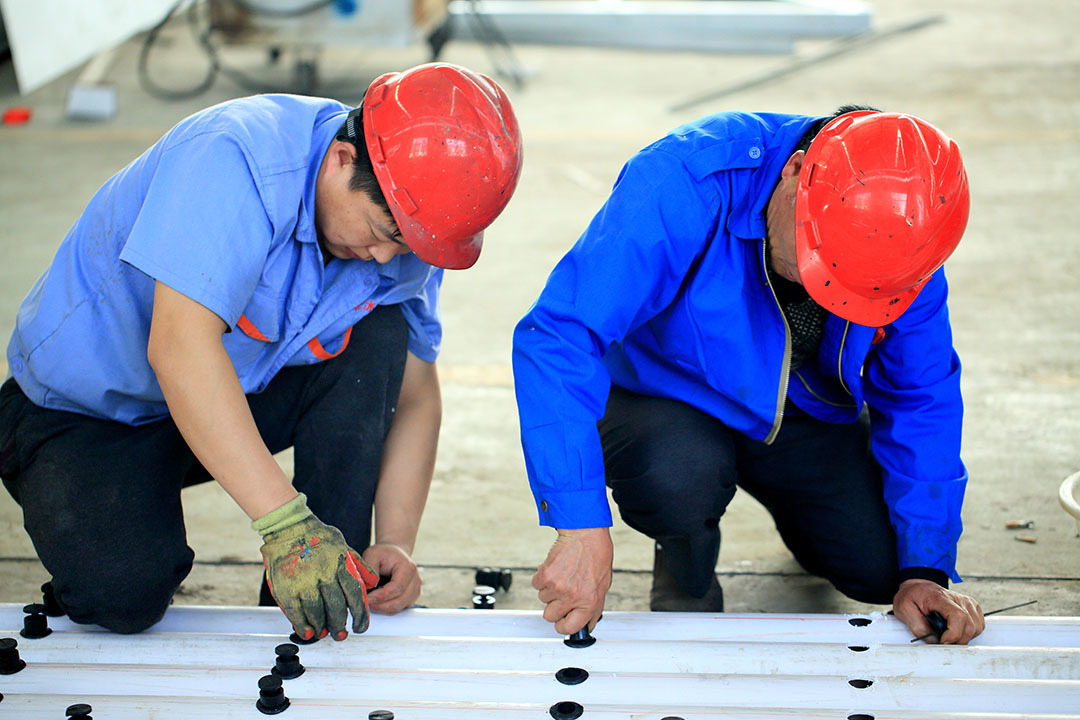
III. Improper Selection
Manufacturers may not fully consider the specific operating conditions of the customer when selecting a model, such as the different placement of electric furnaces, which will also affect the model of the cooling tower. Therefore, when selecting a model, it is necessary to fully understand the specific cooling parameters and combine industry characteristics to select the model. This requires choosing an experienced large manufacturer with a professional engineering team to design a suitable tower type that ensures heat dissipation while reducing investment costs. 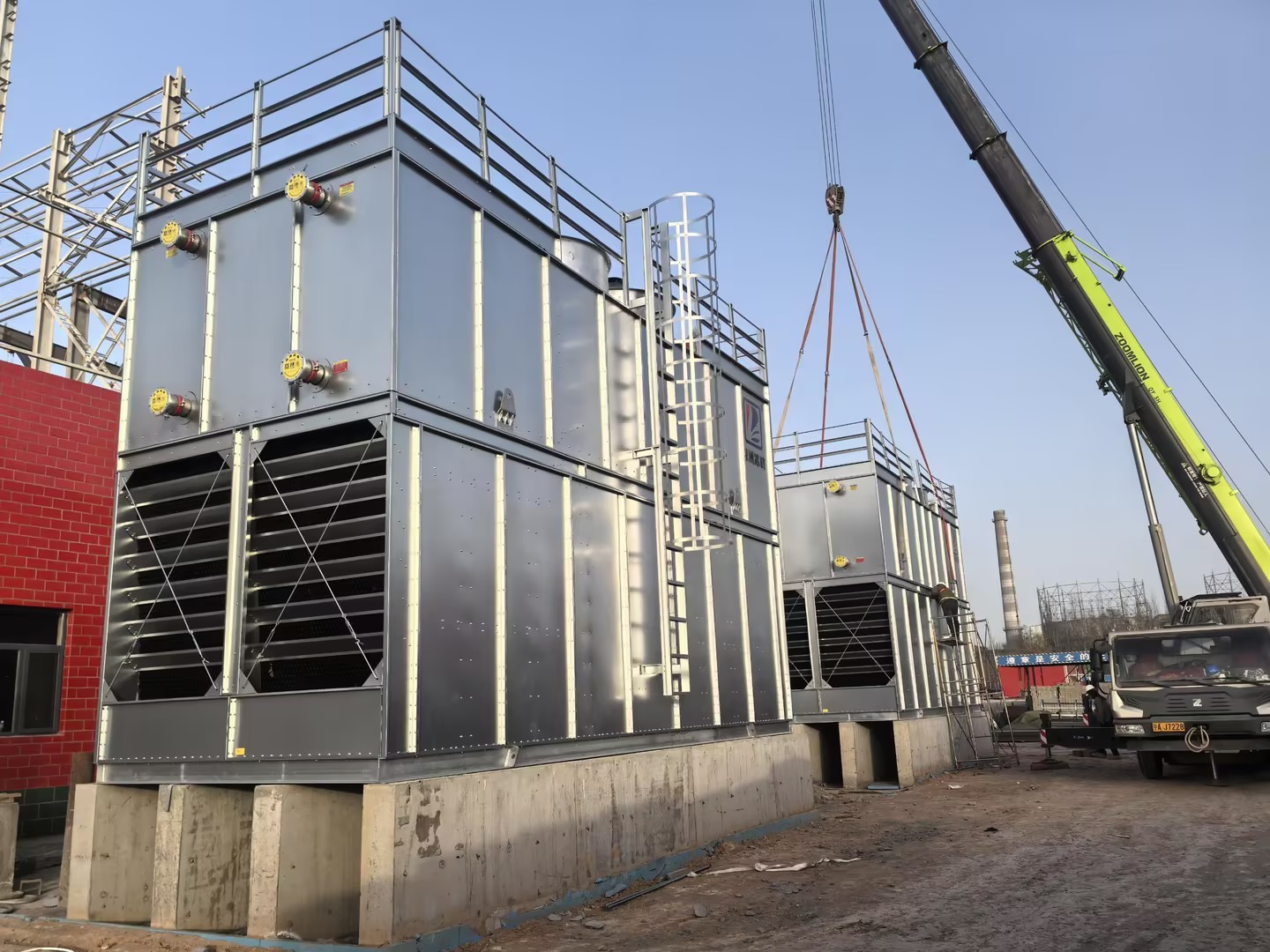
IV. Equipment Aging or Damage
Aging, Deformation, or Clogging of Fill Material: Fill material is an important component that increases the contact area between the water film and air, improving heat exchange efficiency. If the fill material ages, deforms, or clogs, it will reduce the contact area between air and water, thus affecting heat exchange efficiency.
Coil Corrosion or Damage: Coil corrosion or damage can cause leakage of circulating water, affecting cooling efficiency. Scale buildup or clogging in the coils will also affect heat exchange efficiency. Aging or damage to seals can cause water leakage at the connections, affecting the normal operation and cooling effect of the cooling tower. 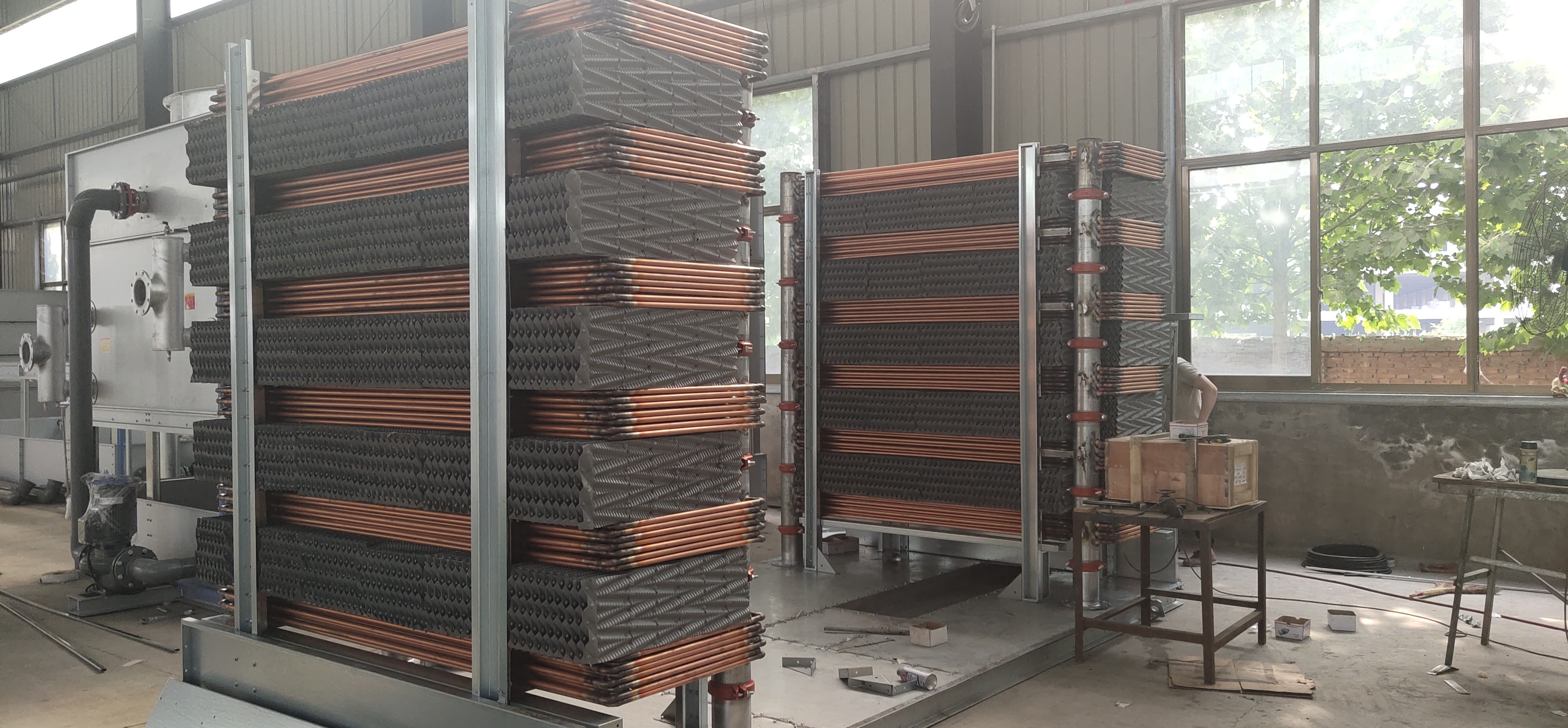
V. Water Quality Issues
Deteriorating Circulating Water Quality: Deteriorating circulating water quality can lead to scale buildup or clogging in the coils, affecting heat exchange efficiency. Regular water treatment of the circulating water, such as adding descaling agents and bactericides, is necessary. 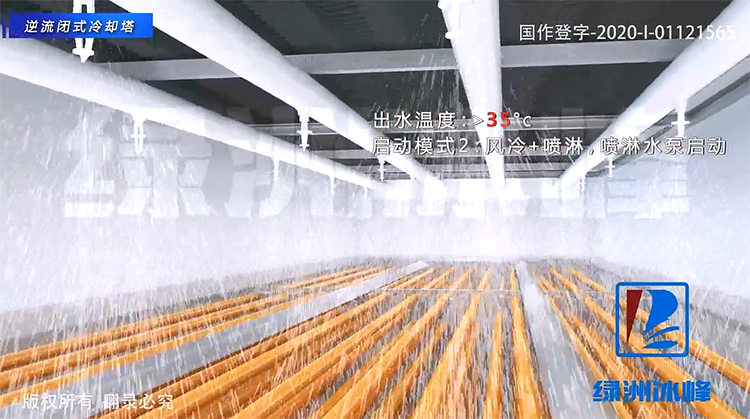
VI. Improper Operation and Maintenance
Improper Operation: Failure to follow operating procedures can lead to abnormal cooling tower operation, affecting cooling efficiency.
Insufficient Maintenance: Regular maintenance and upkeep of the cooling tower are important measures to ensure its normal operation. Insufficient maintenance can lead to equipment aging, damage, or frequent malfunctions, thus affecting cooling efficiency. 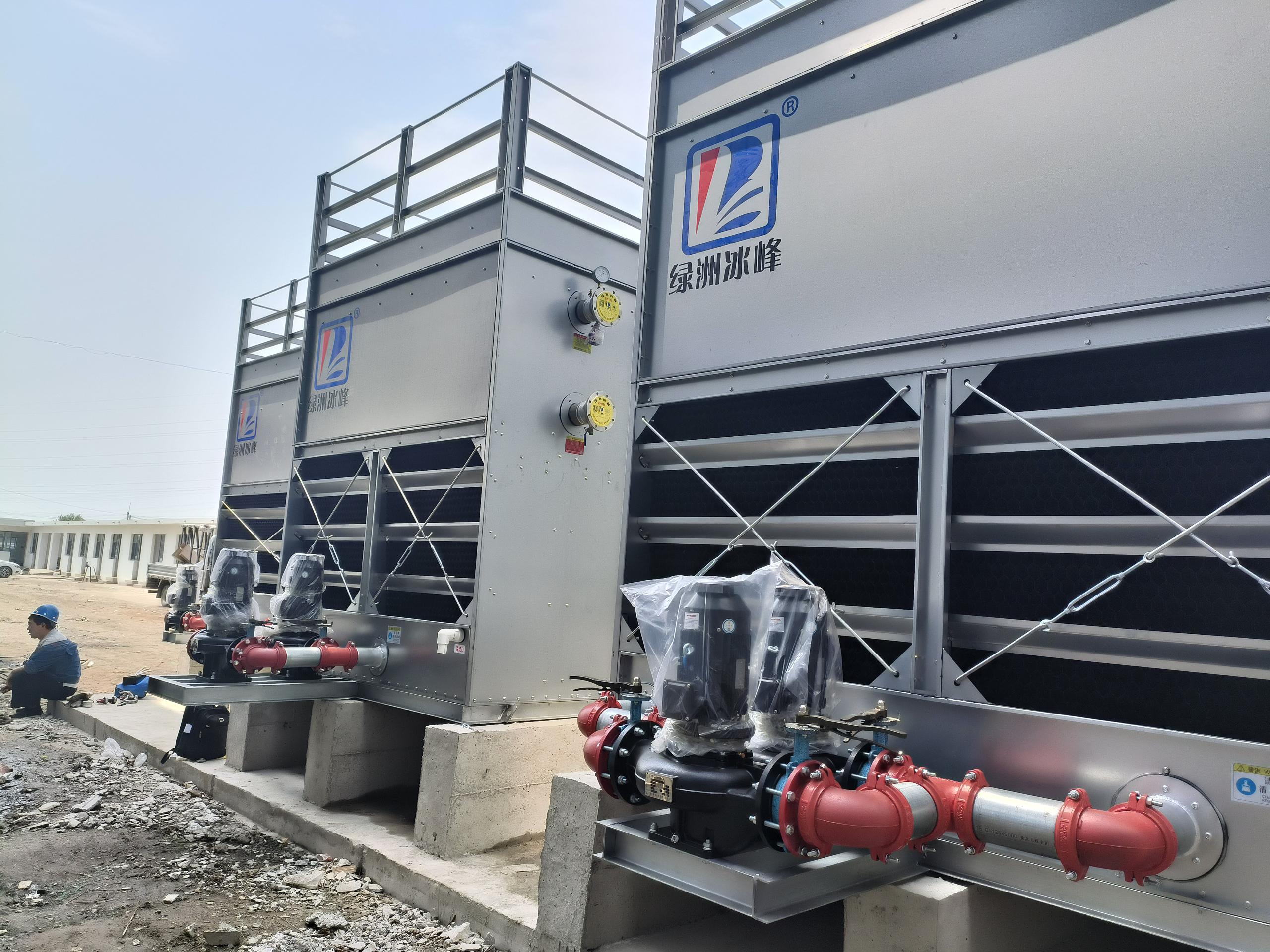
In summary, the reasons why the water temperature in a closed-circuit cooling tower may not decrease may involve insufficient airflow, uneven spraying, improper selection, equipment aging or damage, water quality issues, and improper operation and maintenance. To solve this problem, it is necessary to investigate and repair from multiple perspectives to ensure the normal operation and cooling effect of the closed-circuit cooling tower.
Closed-circuit cooling tower,Evaporative cooling,Closed-circuit cooling tower manufacturer,Closed-circuit cooling tower,Closed-circuit cooling tower,Wet and dry cooling tower



Oasis Bingfeng Fluid Equipment Co.,Ltd
Contact Phone:+86 4000 616 676
Fax:+86 0310 3178005
E-mail:sales@hdbingfeng.com
Contact Address:No.1, Happiness Road, Feixiang Economic Development Zone, Handan City, Hebei Province
Copyright©2024 Oasis Bingfeng fluid equipment co., ltd