


NEWS CENTER
Oasis Iceberg
02
2025
-
01
How do closed-loop cooling towers operate and function differently in summer and winter?
Closed-circuit cooling towers exhibit differences in cooling efficiency and water consumption between winter and summer. When selecting and using closed-circuit cooling towers, various factors such as seasonal changes, operating environment, energy saving and emission reduction should be fully considered to ensure the equipment can operate stably for a long time and meet production needs.
Closed-loop cooling towers do exhibit some differences in cooling efficiency and water consumption between winter and summer. A detailed analysis of these two aspects is provided below:
I. Cooling Efficiency
Summer:
Summer temperatures are high, and humidity is high, placing higher demands on the cooling performance of closed-loop cooling towers.
To ensure cooling efficiency, closed-loop cooling towers typically employ special designs, such as increasing the number of spray nozzles and utilizing nighttime cooling, to cope with high temperature and humidity environments.
In summer, closed-loop cooling towers typically need to handle larger water output and evaporation losses, which may lead to higher energy consumption and water usage.
Winter:
Winter temperatures are low, and the cooling demand is relatively low.
In winter, closed-loop cooling towers focus more on environmental protection and energy saving, ensuring stable operation through measures such as reducing energy consumption and preventing water freezing in pipes.
The cooling capacity of closed-loop cooling towers in winter is typically smaller than in summer because the ambient temperature is lower, and the cooling load required is correspondingly reduced. 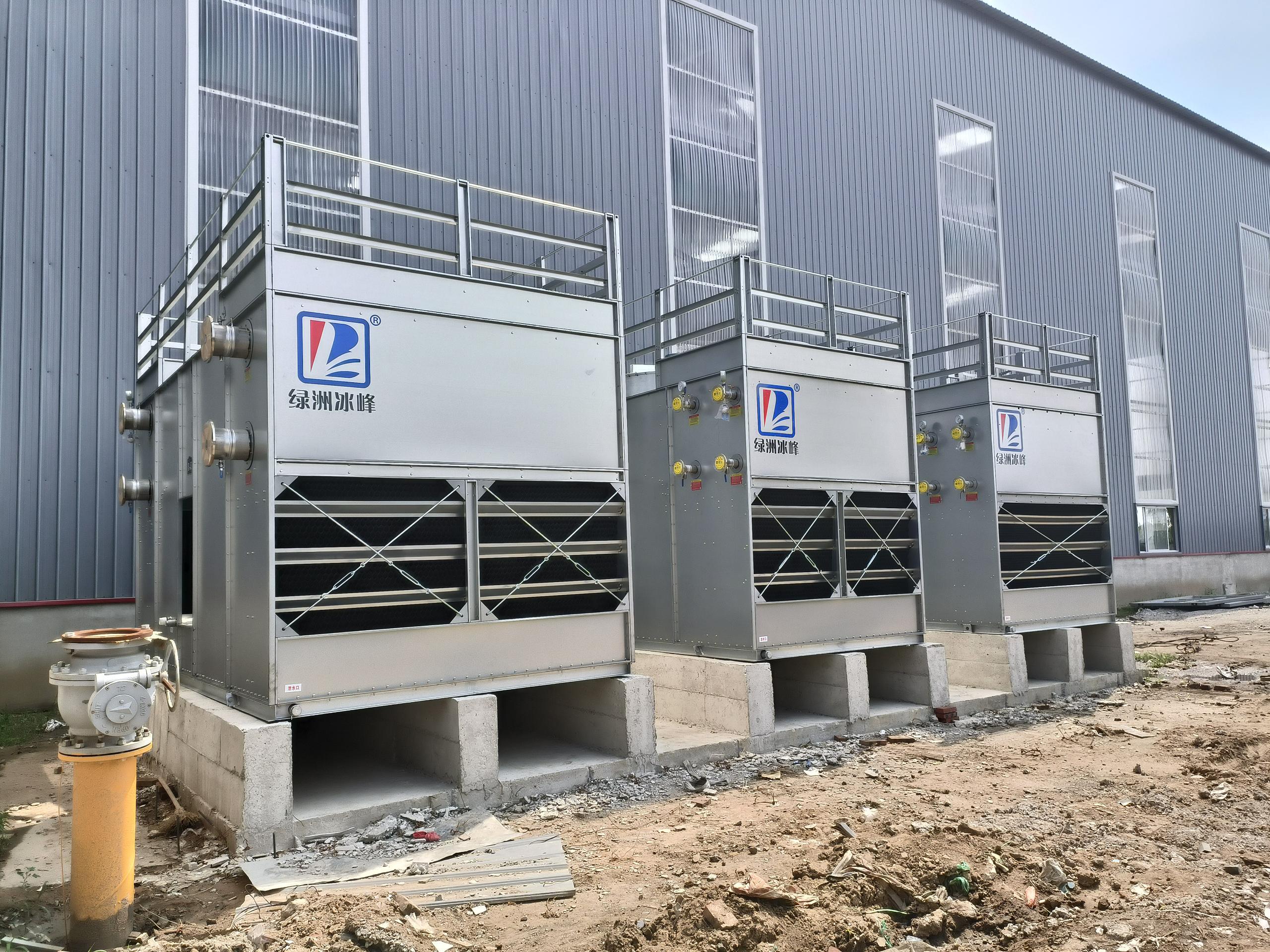
II. Water Consumption
Summer:
The water consumption of closed-loop cooling towers is relatively high in summer because more spray water is needed for evaporative cooling.
The evaporation rate and drift rate (i.e., water loss rate) are also relatively high in summer, further increasing water consumption.
It should be noted that although the water consumption of closed-loop cooling towers is less than that of open cooling towers, under high temperature and humidity conditions in summer, its water consumption is still a factor that cannot be ignored.
Winter:
The water consumption of closed-loop cooling towers in winter is relatively low because the ambient temperature is low, the cooling load required is reduced, and the evaporation and drift of spray water are also correspondingly reduced.
In some cases, closed-loop cooling towers in winter may only need to turn on the fan for air convection cooling without turning on the spray system, thus further reducing water consumption. 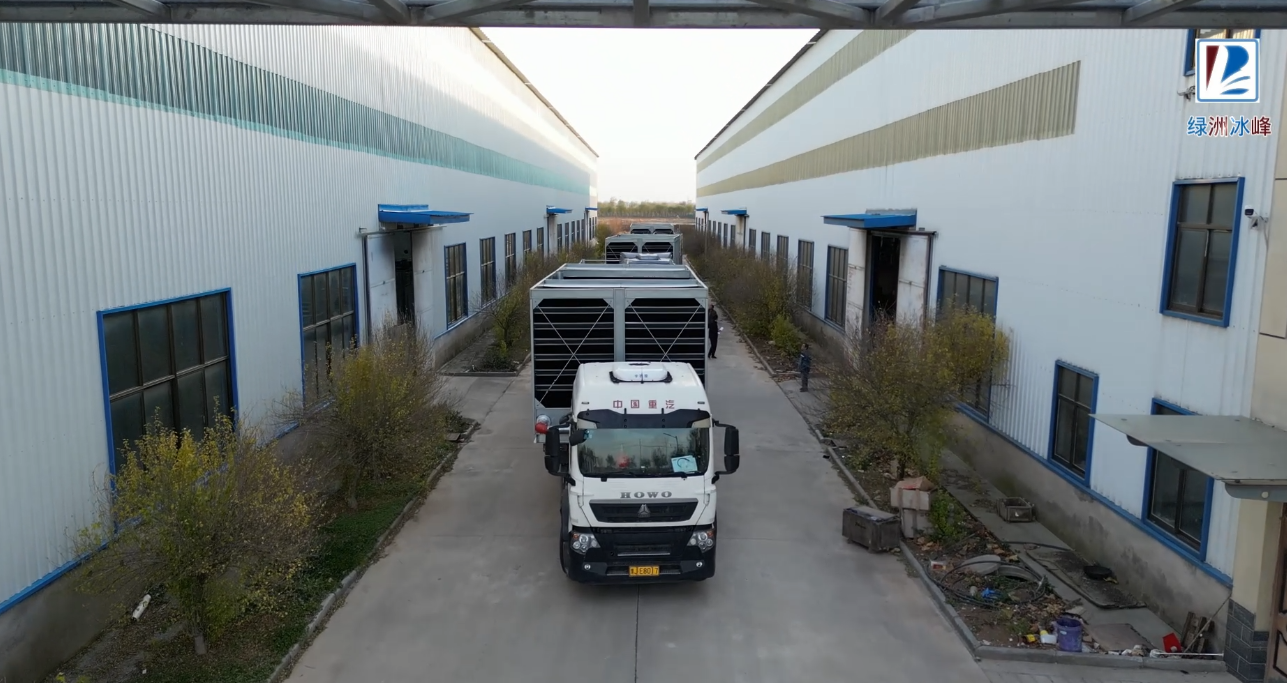
In summary, the cooling efficiency and water consumption of closed-loop cooling towers differ between winter and summer. When selecting and using closed-loop cooling towers, seasonal changes, working environment, energy saving and consumption reduction, and other factors should be fully considered to ensure that the equipment can operate stably for a long time and meet production needs.
Closed-circuit cooling tower,Cooling tower,Evaporative cooling,Closed-circuit cooling tower manufacturer,Closed-circuit cooling tower,Closed-circuit cooling tower,Wet and dry cooling tower



Oasis Bingfeng Fluid Equipment Co.,Ltd
Contact Phone:+86 4000 616 676
Fax:+86 0310 3178005
E-mail:sales@hdbingfeng.com
Contact Address:No.1, Happiness Road, Feixiang Economic Development Zone, Handan City, Hebei Province
Copyright©2024 Oasis Bingfeng fluid equipment co., ltd