


NEWS CENTER
Oasis Iceberg
12
2024
-
12
A brief discussion on the working efficiency of closed cooling towers!
Oasis Ice Peak Fluid Equipment Co., Ltd. has been focusing on the research and development and manufacturing of closed-circuit cooling towers and evaporative coolers since 2003, possessing rich experience and technological advantages. The company covers an area of 40 mu (approximately 2.67 hectares) and serves the iron and steel metallurgy, aerospace, equipment manufacturing, power electronics, and data center industries. We provide you with one-stop cooling solutions, reliable technical services, and high-quality products.
The operating efficiency of closed-circuit cooling towers is affected by many factors. The following is a detailed analysis of its operating efficiency:
I. Manifestation of Operating Efficiency
Water Conservation Efficiency Closed-circuit cooling towers use a closed-loop water system, which can greatly reduce water evaporation and loss, with a water saving rate as high as 30%.
Energy Saving Efficiency Closed-circuit cooling towers use advanced spray systems and heat exchange technology to significantly improve cooling efficiency while reducing energy consumption.
System Efficiency Because the water circulation system of a closed-circuit cooling tower is a closed loop, the full utilization of water resources allows the system to operate under higher loads, thereby improving overall efficiency. At the same time, its closed design prevents the intrusion of external pollutants, reducing equipment failure rates and extending equipment life. 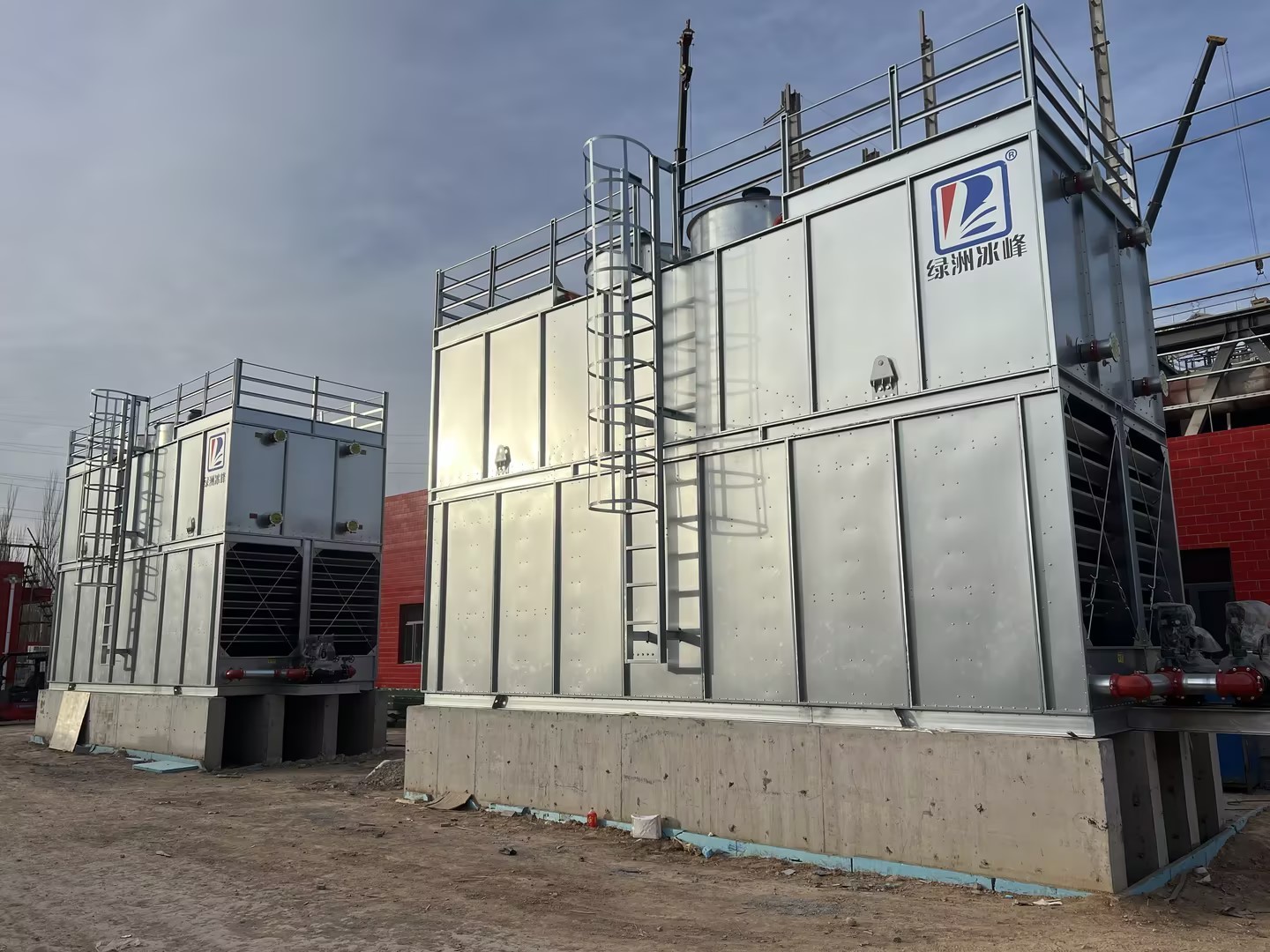
II. Factors Affecting Operating Efficiency
Equipment Selection and Optimization:
Capacity Selection: Select a closed-circuit cooling tower with a suitable capacity based on the actual heat load requirements to ensure that it can meet the cooling requirements under various operating conditions.
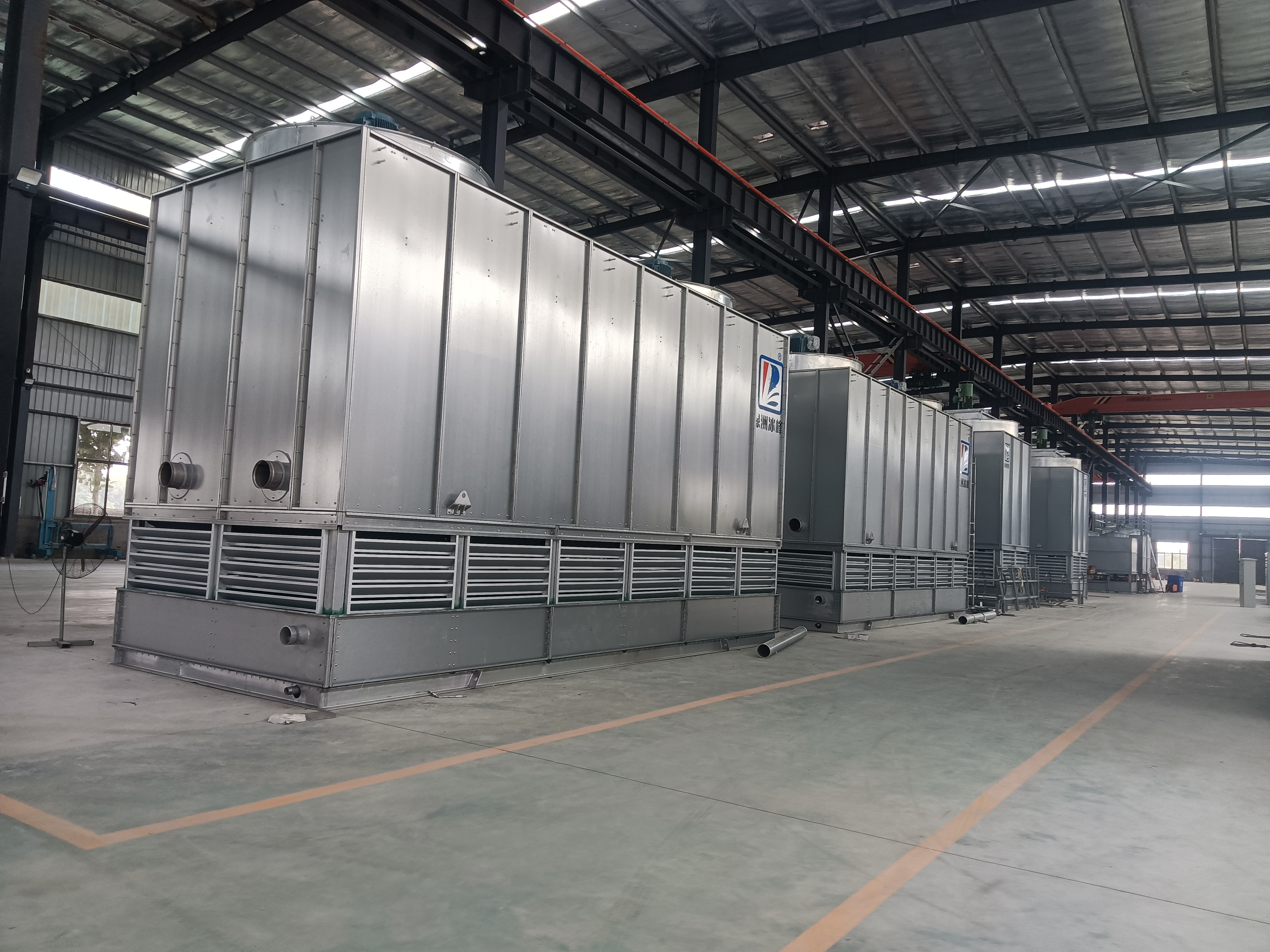
Tower Type Selection: Counterflow closed-circuit cooling towers have higher heat exchange efficiency, but are relatively noisy; crossflow cooling towers are quieter, easier to maintain, and have a smaller footprint. The appropriate tower type should be selected based on the specific application scenario.
Operating Parameter Control:
Medium Flow Rate: Ensure that the flow rate of the cooling medium is within the design range, avoiding excessive or insufficient flow that leads to increased energy consumption or poor cooling effect.
Medium Temperature Difference: Maximize the temperature difference between the cooling medium entering and leaving the cooling tower to improve the efficiency of heat transfer.
Medium Quality: Regularly check the quality of the cooling medium, including concentration, cleanliness, and chemical composition, to ensure that it meets the requirements for use.
Environmental Conditions:
Ventilation Conditions : Closed-circuit cooling towers should be installed in well-ventilated locations, avoiding installation in narrow, enclosed, or obstructed areas.
Ambient Temperature: Ambient temperature affects the heat dissipation effect of the cooling tower. The operating parameters of the cooling tower should be adjusted reasonably according to changes in ambient temperature.
Maintenance:
Cleaning and Inspection: Regularly clean and inspect the cooling tower to remove fouling and sediment from the heat transfer surface, keeping the equipment clean and unobstructed.
Equipment Maintenance: Regularly maintain and service key components such as fans and pumps to ensure their normal operation and efficient work.
III. Methods to Improve Operating Efficiency
Optimize Equipment Selection: Select the appropriate closed-circuit cooling tower model and specifications based on actual needs.
Reasonable Control of Operating Parameters Reasonably adjust the operating parameters of the cooling tower based on factors such as ambient temperature and load changes.
Strengthen Maintenance: Regularly clean, inspect, and maintain the cooling tower.
Adopt Advanced Technologies: For example, installing electronic water treatment equipment to remove impurities and minerals from the water to prevent scaling and corrosion; using heat recovery systems to recover waste heat, etc.
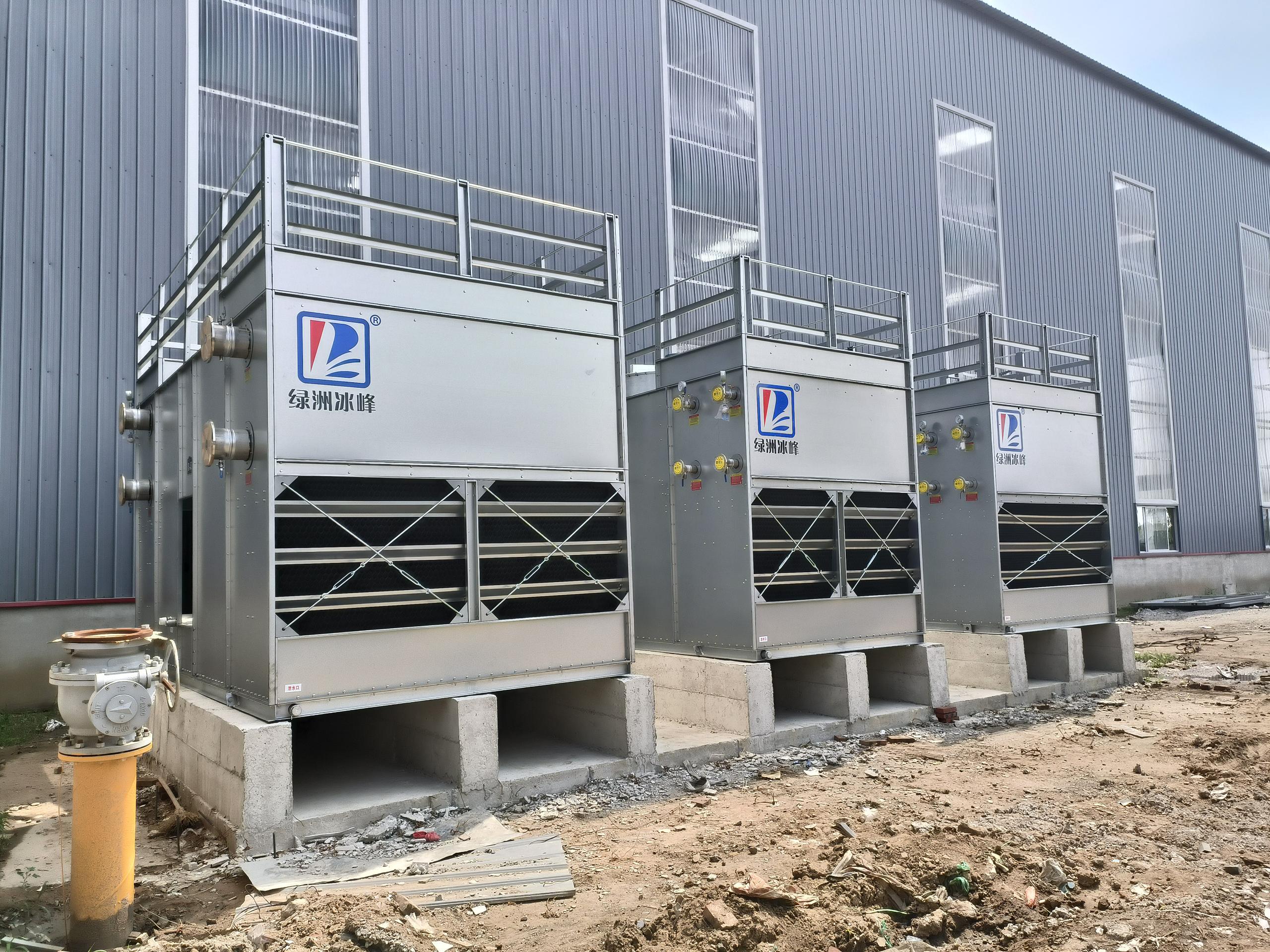
In summary, the operating efficiency of closed-circuit cooling towers is affected by many factors, but through reasonable equipment selection, operating parameter control, environmental condition optimization, and maintenance measures, the operating efficiency of closed-circuit cooling towers can be significantly improved, and their service life can be extended.
Closed-circuit cooling tower,Cooling tower,Evaporative cooling,Closed-circuit cooling tower manufacturer,Closed-circuit cooling tower selection,Closed-circuit cooling tower,Closed-circuit cooling tower,Industrial circulating water cooling



Oasis Bingfeng Fluid Equipment Co.,Ltd
Contact Phone:+86 4000 616 676
Fax:+86 0310 3178005
E-mail:sales@hdbingfeng.com
Contact Address:No.1, Happiness Road, Feixiang Economic Development Zone, Handan City, Hebei Province
Copyright©2024 Oasis Bingfeng fluid equipment co., ltd