


NEWS CENTER
Oasis Iceberg
13
2024
-
07
Closed-circuit cooling tower for reactor cooling
The cooling process of a reactor vessel by a closed-circuit cooling tower is a carefully designed and highly efficient heat-exchange process that ensures the reactor vessel can operate continuously and reliably. The following is a detailed overview of the entire cooling process carried out by the closed-circuit cooling tower for the reactor vessel:
The cooling process of a closed-circuit cooling tower for a reactor is a carefully designed and highly efficient heat-exchange process that ensures the reactor operates continuously and reliably. The following is a detailed description of the entire cooling process carried out by the closed-circuit cooling tower for the reactor:
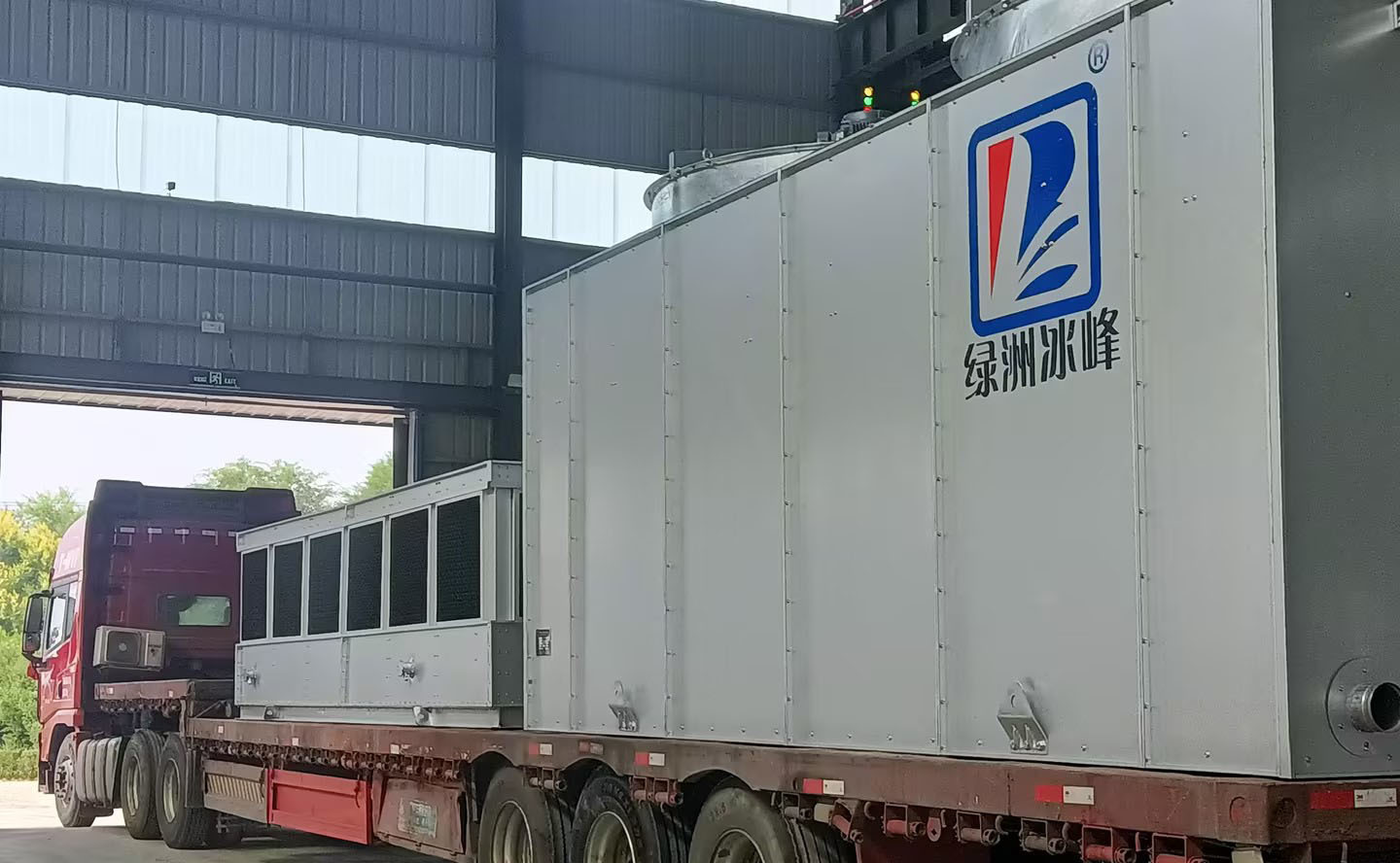
1. Cooling medium circulation: In a closed-loop cooling tower, the cooling medium—typically water or another suitable fluid—begins to circulate through a piping system. These pipes connect the cooling tower to the reactor, forming a closed-loop circulation circuit.
2. Heat Absorption: As the cooling medium flows through the reactor, it absorbs the heat generated inside the reactor. This heat may originate from the thermal energy produced by chemical reactions or from frictional heat generated during the operation process, among other sources.
3. The cooling medium flows into the cooling tower: After absorbing heat, the cooled medium then flows through pipes into the closed cooling tower. Inside the cooling tower, the cooling medium first passes through a heat exchanger.
4. Heat Exchange: In a heat exchanger, the cooling medium exchanges heat with external cooling water or air. The external cooling water or air passes through the packing layer of the cooling tower and comes into contact with the cooling medium, thereby removing heat from the cooling medium.
5. Lowering the temperature of the cooling medium: After heat exchange, the temperature of the cooling medium drops significantly, reaching a level where it can be reused to cool the reaction vessel.
6. Cooling medium return: After the cooling medium has been cooled down, it flows back into the reactor through the piping system, continuing to absorb the heat generated by the reactor and thus completing a cooling cycle.
7. The cycle continues: This process repeats continuously, forming a sustained cooling cycle that ensures the reactor operates within an appropriate temperature range.
In addition, closed-circuit cooling towers are equipped with a variety of auxiliary devices, such as pumps, fans, and control systems, to ensure the stability and efficiency of the cooling process. At the same time, the design and selection of cooling towers must be tailored to the specific requirements of the reactor and the environmental conditions in order to achieve optimal cooling performance.
Through this process, the closed-circuit cooling tower can effectively cool the reactor, ensuring its stable operation while preventing direct contact between the cooling medium and the external environment, thereby reducing the risk of contamination and loss.
Previous Page
Next Page
Previous Page
Next Page



Oasis Bingfeng Fluid Equipment Co.,Ltd
Contact Phone:+86 4000 616 676
Fax:+86 0310 3178005
E-mail:sales@hdbingfeng.com
Contact Address:No.1, Happiness Road, Feixiang Economic Development Zone, Handan City, Hebei Province
Copyright©2024 Oasis Bingfeng fluid equipment co., ltd