


NEWS CENTER
Oasis Iceberg
13
2025
-
02
Energy-saving potential analysis of closed-circuit cooling tower spray system
The spray water system in closed-circuit cooling towers has significant energy-saving potential. Through technological upgrades and renovations, optimized operation and management, and maintenance, the energy efficiency of the spray water system can be further improved, reducing energy consumption. This not only helps achieve energy saving and emission reduction goals but also improves the economic and social benefits of enterprises. Therefore, in practical applications, the energy-saving potential of the spray water system in closed-circuit cooling towers should be given full attention, and effective measures should be taken to realize it.
The energy-saving potential of the spray water system in closed-circuit cooling towers is a topic worthy of in-depth discussion. The following is a detailed analysis of its energy-saving potential:
I. Working Principle of the Closed-Circuit Cooling Tower Spray Water System
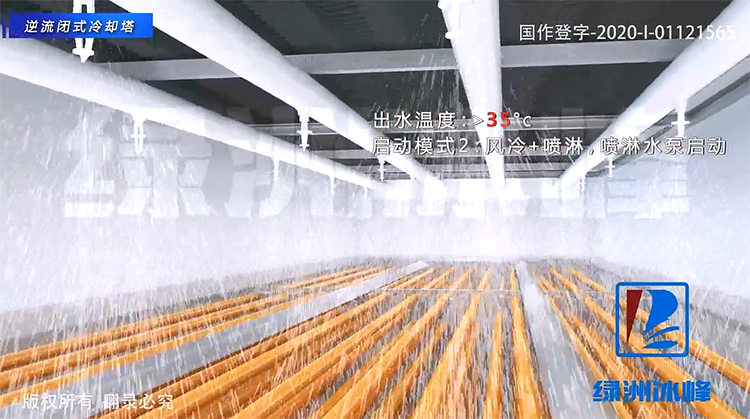
The spray water system of a closed-circuit cooling tower pumps water from the sump to the top of the heat exchange coils via a spray pump. The water is then evenly sprayed onto the coil surface through nozzles, exchanging heat with the pipe wall. A fan then carries the heat out of the tower. The unevaporated water droplets return to the sump via a dewatering device, enabling water reuse.
II. Energy-Saving Potential of the Spray Water System
Reduced Evaporation Loss
Because closed-circuit cooling towers use a closed structure, their spray water systems reduce water evaporation loss, saving water resources. Compared to open-circuit cooling towers, closed-circuit cooling towers can save up to 70% of water.
Reducing evaporation loss not only helps save water resources but also reduces the energy consumed for water replenishment.
Optimized Spray Efficiency
By improving the structure and arrangement of the spray device, such as using more efficient nozzles and optimizing the pressure and flow rate of the spray water, the utilization efficiency of the spray water can be improved, reducing unnecessary waste.
An optimized spray system can more effectively exchange heat with the coils, improving cooling efficiency.
Application of Variable Frequency Technology
Applying variable frequency technology to the spray water pump allows for dynamic adjustment of the spray water flow rate and pressure according to actual needs, avoiding unnecessary energy waste.
Variable frequency technology enables soft start and stop of the spray water pump, reducing the impact on the power grid during start-up and shutdown, improving equipment stability and service life.
Intelligent Control System
By introducing an intelligent control system, the operating status of the spray water system can be monitored in real-time, including parameters such as spray water flow rate, pressure, and temperature.
Based on the monitoring data, the intelligent control system can automatically adjust the speed of the spray water pump and the flow rate of the spray water to achieve optimal cooling effect and energy utilization efficiency. 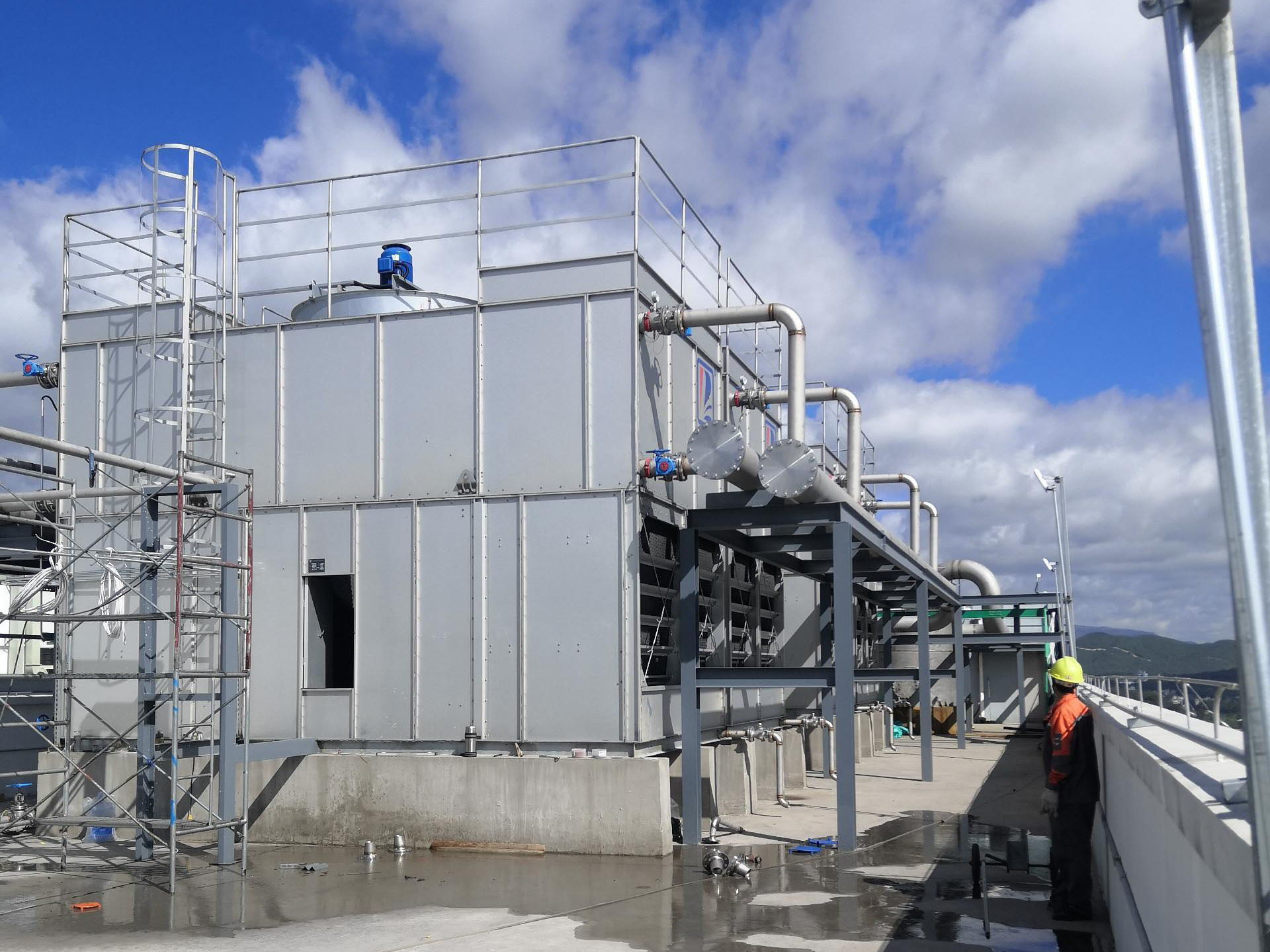
III. Approaches to Achieving Energy-Saving Potential
Technological Upgrades and Retrofits
Upgrade and retrofit existing spray water systems, such as replacing more efficient nozzles and optimizing the structure of the spray device.
Introduce advanced variable frequency technology and intelligent control systems to improve the energy utilization efficiency of the spray water pump.
Optimized Operation and Management
Strengthen the operation and management of the spray water system, regularly inspect and clean the spray device to ensure its normal operation and efficient utilization. Develop reasonable spray water system operation plans based on actual needs to avoid unnecessary energy waste.
Develop reasonable spray water system operation plans based on actual needs to avoid unnecessary energy waste.
Maintenance
Regularly maintain and service components such as the spray water pump and nozzles to ensure they are in good working order.
Replace damaged or aging components promptly to avoid affecting the normal operation and energy-saving effect of the spray water system. 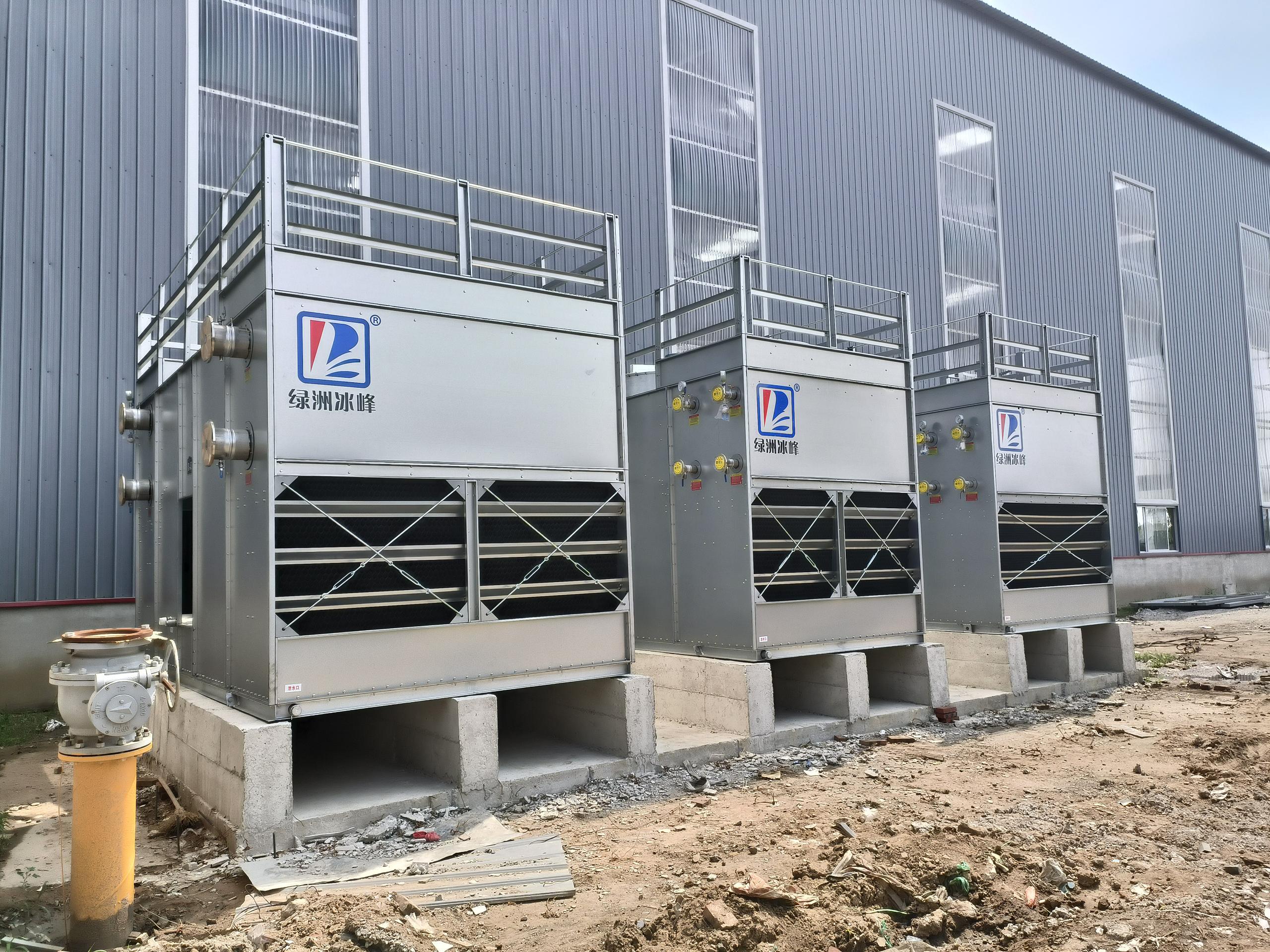
IV. Conclusion
The spray water system in closed-circuit cooling towers has significant energy-saving potential. Through technological upgrades and retrofits, optimized operation and management, and maintenance, the energy utilization efficiency of the spray water system can be further improved, reducing energy consumption. This not only helps achieve energy conservation and emission reduction goals but also improves the economic and social benefits of enterprises. Therefore, in practical applications, the energy-saving potential of the closed-circuit cooling tower spray water system should be given full attention, and effective measures should be taken to realize it.
Closed-circuit cooling tower,Cooling tower,Evaporative condenser,Wet and dry cooling tower,Closed-circuit cooling tower
Previous Page



Oasis Bingfeng Fluid Equipment Co.,Ltd
Contact Phone:+86 4000 616 676
Fax:+86 0310 3178005
E-mail:sales@hdbingfeng.com
Contact Address:No.1, Happiness Road, Feixiang Economic Development Zone, Handan City, Hebei Province
Copyright©2024 Oasis Bingfeng fluid equipment co., ltd