


NEWS CENTER
Oasis Iceberg
04
2024
-
09
How do you determine whether a closed-circuit cooling tower provides good cooling performance?
To assess the cooling performance of a closed-circuit cooling tower, a comprehensive evaluation can be made based on the following aspects:
To assess the cooling performance of a closed-circuit cooling tower, a comprehensive evaluation can be made based on the following aspects:
I. Technical Parameters and Specifications
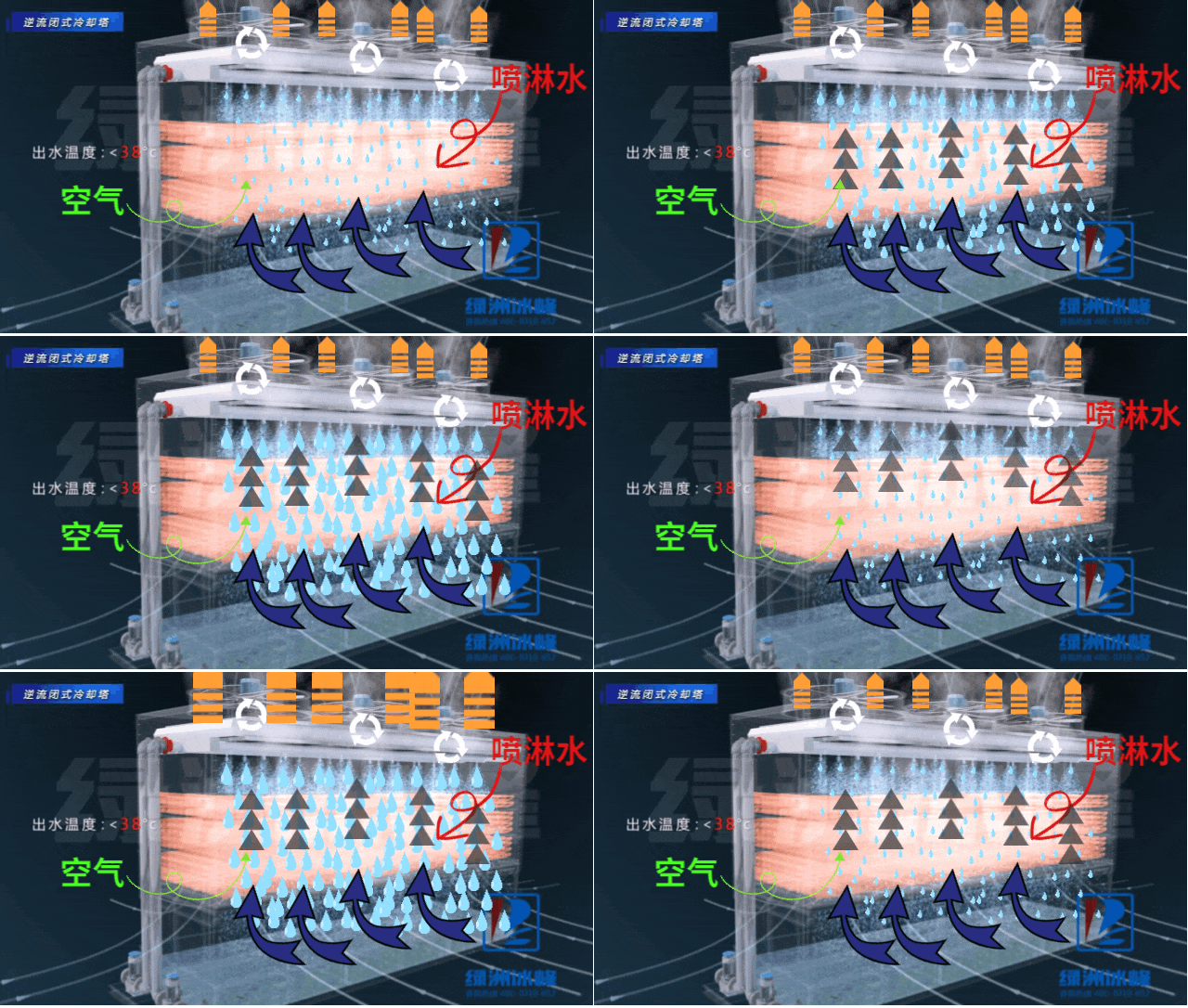
Cooling capacity: Cooling capacity is a key performance indicator for closed-circuit cooling towers. It represents the heat load that the tower can handle per unit of time and is typically expressed in kilowatts or tens of thousands of kilowatts. The greater the cooling capacity, the more heat the tower can dissipate, resulting in better cooling performance.
Cooling efficiency: Cooling efficiency refers to the cooling tower’s ability to effectively remove heat from the circulating water, typically expressed as a percentage. The higher the cooling efficiency, the more effectively the tower can transfer heat to the environment, resulting in a more pronounced cooling effect.
Degree of approximation: The approach degree is defined as the temperature difference between the cooling tower outlet water temperature and the air wet-bulb temperature, indicating the extent to which the outlet water temperature approaches the wet-bulb temperature. A smaller approach degree theoretically implies stronger cooling capacity; however, in practical selection, economic considerations and equipment specifications must also be taken into account.
Cooling water temperature difference: The cooling water temperature difference refers to the difference between the inlet and outlet temperatures of the cooling water, and its magnitude determines the cooling performance. Typically, the cooling water temperature difference ranges from 5 to 10°C; the larger the difference, the better the cooling effect. 。
II. Comparison of Actual Operating Data
Comparison of Design Outlet Temperature and Actual Outlet Temperature During operation of the cooling tower, compare the actual outlet temperature T1 with the design outlet temperature T0. If T1 is less than or equal to T0, the closed-circuit cooling tower’s cooling performance meets or exceeds the design value, indicating good cooling performance.
Characteristic Curve Evaluation : Using the characteristic curve evaluation method, calculate the ratio of the actual cooling water flow to the design cooling water flow (a = L/L1 × 100%). When the value of a exceeds 95%, it indicates that the design temperature of the closed-circuit cooling tower meets the design specifications and that the cooling efficiency is high.

III. Influence of Environmental Factors
Wet-bulb temperature: The wet-bulb temperature is a critical factor influencing the cooling range of a closed-circuit cooling tower. The tower’s maximum achievable cooling effect typically approaches the wet-bulb temperature; therefore, the lower the wet-bulb temperature, the better the theoretical cooling performance of the tower.
Dry-bulb and wet-bulb temperature difference : Under clear weather conditions, when the difference between the dry-bulb and wet-bulb temperatures is large, the cooling capacity is generally better, because the air is relatively dry, which facilitates evaporative heat dissipation. Conversely, under overcast or rainy conditions, the temperature difference between the two is small, and the cooling capacity decreases significantly.
IV. Maintenance and Servicing Status
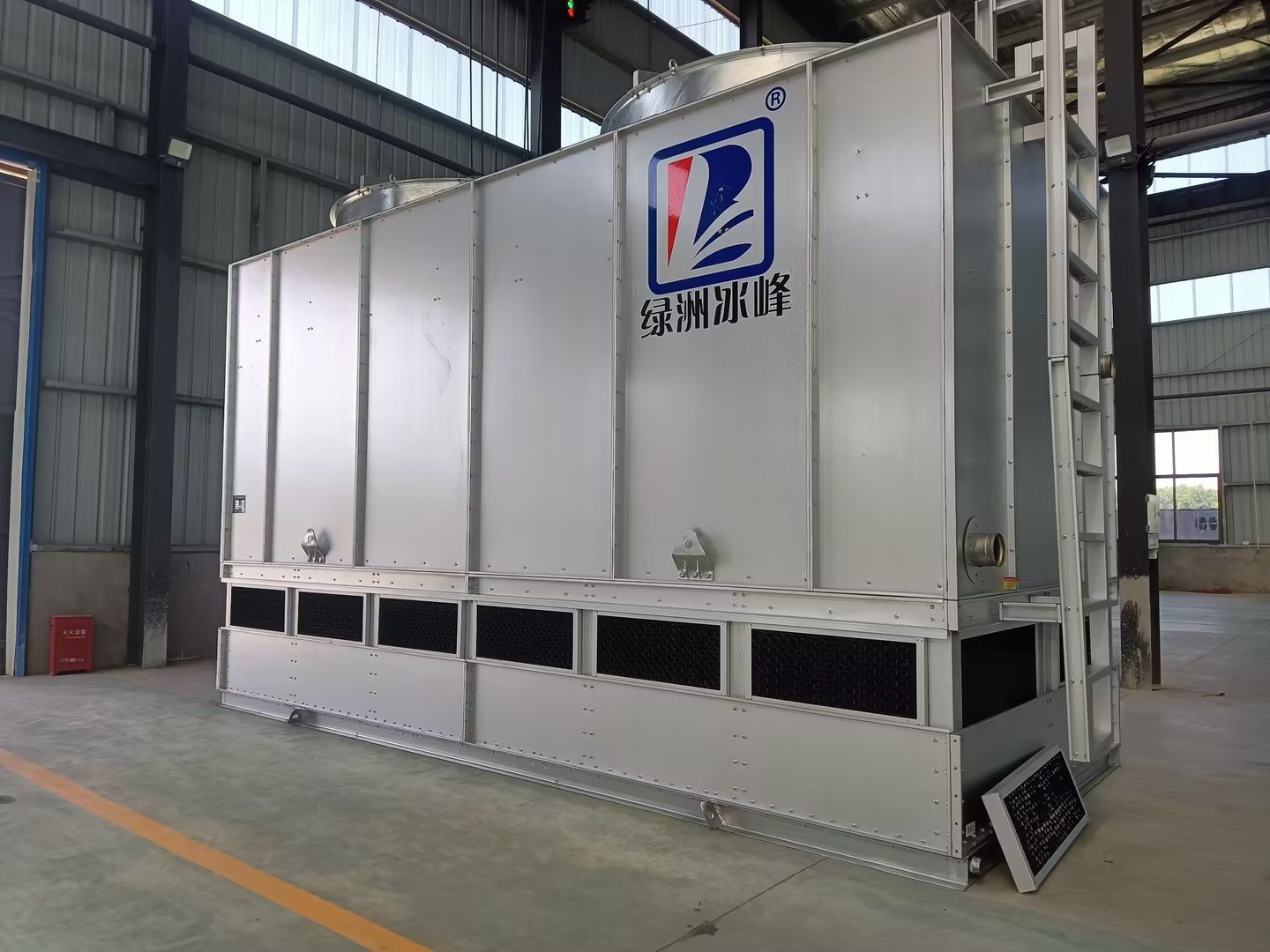
Water quality treatment: The circulating water in a closed-circuit cooling tower must be treated to ensure that water quality meets the required standards. Effective water-quality treatment can reduce scale and fouling formation, improve heat-exchange efficiency, and thereby enhance cooling performance.
Regular maintenance Regular maintenance, such as cleaning the cooling tower and replacing components, helps maintain its optimal operating condition and cooling performance. Neglecting maintenance can lead to reduced performance and even equipment failure.

In summary, assessing the cooling performance of a closed-circuit cooling tower requires a comprehensive consideration of technical specifications, actual operating data, environmental factors, and maintenance and upkeep conditions. A thorough evaluation of these factors enables an accurate determination of whether the cooling tower’s performance is excellent.
Closed-circuit cooling tower,Closed-circuit cooling tower manufacturer,Evaporative cooling,Closed-circuit cooling tower,Closed-circuit cooling tower,Closed-circuit cooling tower,Closed-circuit cooling tower price,Hybrid Dry-Wet Cooling Tower,Cooling tower manufacturer,Cooling tower



Oasis Bingfeng Fluid Equipment Co.,Ltd
Contact Phone:+86 4000 616 676
Fax:+86 0310 3178005
E-mail:sales@hdbingfeng.com
Contact Address:No.1, Happiness Road, Feixiang Economic Development Zone, Handan City, Hebei Province
Copyright©2024 Oasis Bingfeng fluid equipment co., ltd