


NEWS CENTER
Oasis Iceberg
26
2025
-
03
Closed-circuit cooling towers in the air compressor field!
Closed-circuit cooling towers have become core components in optimizing energy efficiency and improving reliability of modern air compressor systems, particularly showcasing significant advantages in high-end manufacturing and demanding industrial settings.
Closed-loop cooling towers are widely used in mechanical manufacturing, especially in the air compressor field, due to their core advantages of efficient heat dissipation, energy saving and environmental protection, and protection of the cooling medium. The following is an analysis of specific application scenarios and advantages:
1. Air Compressor Lubricating Oil Cooling
Application Scenarios :During air compressor operation, the lubricating oil (or cooling oil) temperature will rapidly increase due to mechanical friction and the compression process, requiring continuous cooling to maintain lubrication performance and equipment life.
Role of Closed-Loop Cooling Towers :
High-temperature oil is sent into the cooling tower's coils through a closed-loop system, where it undergoes non-contact heat exchange with external spray water and air, preventing oil contamination.
Precise temperature control (usually reduced to 40-50℃) prevents oil oxidation and deterioration, extending oil change intervals.
Advantages :
The closed design prevents dust and impurities from entering the oil circuit, reducing the risk of filter clogging.
Reduces air compressor shutdowns caused by excessively high oil temperatures.
2. Compressed Air Aftercooling
Application Scenarios :The temperature of compressed air can reach 80-100℃, and it needs to be cooled to room temperature (or below the dew point) before entering the air storage tank or drying equipment.
Role of Closed-Loop Cooling Towers :
High-temperature compressed air is passed through the heat exchanger of the closed-loop cooling tower, and the temperature is quickly reduced through combined water-air cooling.
Multi-stage cooling systems can be optionally configured to meet the stringent air quality requirements of precision manufacturing (such as oil-free and water-free).
Advantages :
Avoids the problem of water vapor mixing into compressed air from traditional open cooling towers, improving drying efficiency.
Suitable for high-temperature and high-humidity environments (such as southern regions), preventing the cooling system's performance from degrading. 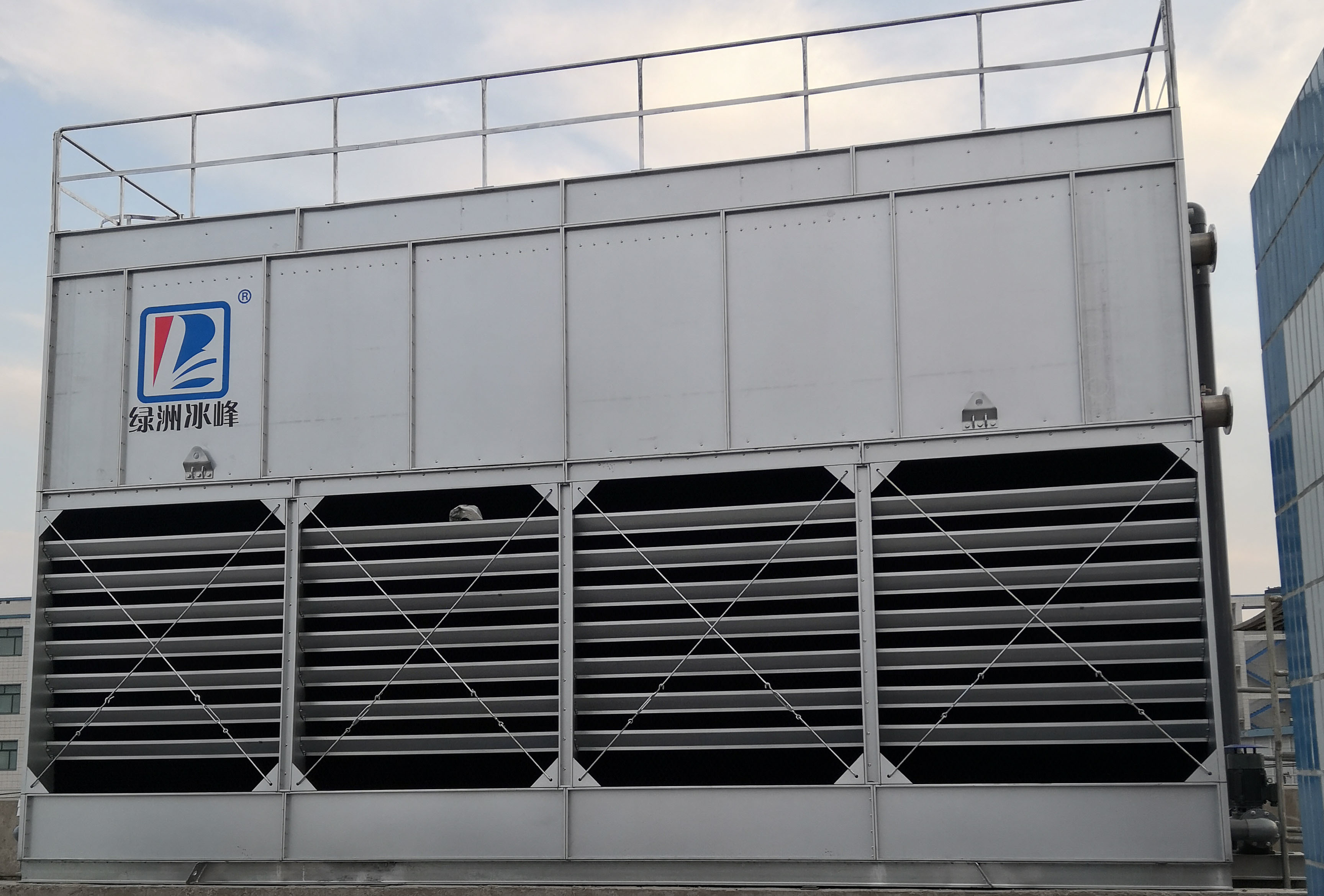
3. Adaptive Cooling for Variable Frequency Air Compressors
Application Scenarios :Variable frequency air compressors have large load fluctuations, leading to dynamically changing cooling needs. Traditional cooling systems may have insufficient response or excessive energy consumption.
Role of Closed-Loop Cooling Towers :
The spray water volume and fan speed are adjusted through a variable frequency water pump or intelligent control system to match the real-time heat dissipation needs of the air compressor.
Energy consumption is automatically reduced at low loads, with energy savings of over 30%.
Advantages :
Dynamic adjustment capability extends equipment life and avoids the impact of frequent starts and stops on the power grid.
Suitable for workshops requiring 24-hour continuous operation, ensuring stable production.
4. Applications in High-Precision Manufacturing Environments
Application Scenarios :Precision machining, electronics manufacturing, etc., have extremely high requirements for workshop temperature and humidity, and cleanliness.
Role of Closed-Loop Cooling Towers :
Closed-loop circulation avoids the increase in workshop humidity caused by cooling water evaporation, reducing the risk of metal part rust.
Eliminates the water drift phenomenon of open cooling towers, preventing water mist from contaminating precision instruments or products.
Advantages :
Combined with a water treatment system (such as soft water, corrosion inhibitors), it significantly reduces the risk of scale and corrosion, extending the maintenance cycle to 1-2 years.
Safer in clean rooms or explosion-proof environments (such as spray painting, chemical air compressor stations). 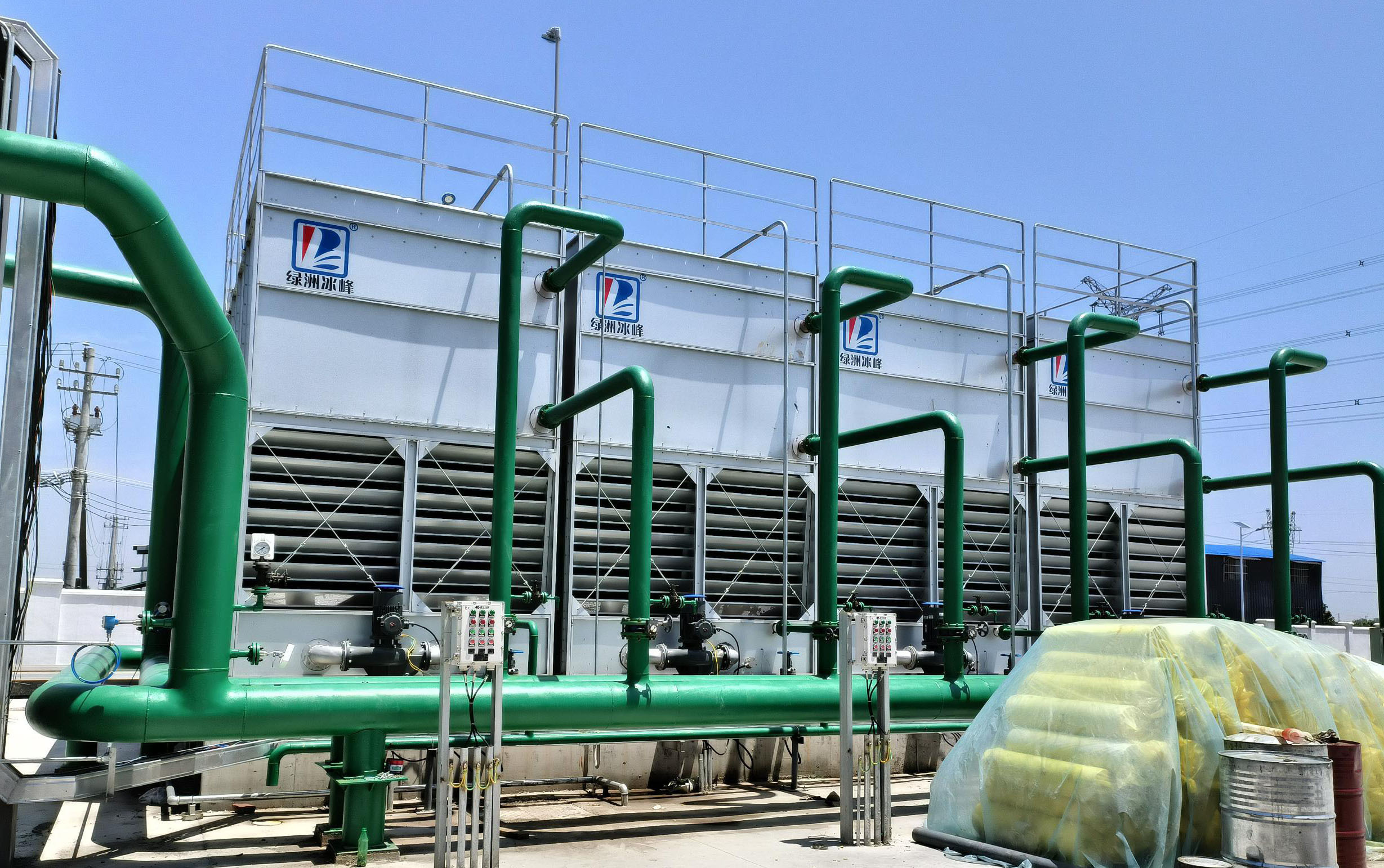
5. Waste Heat Recovery and Energy Integration
Application Scenarios :Waste heat generated during air compressor operation can be recovered through a closed-loop cooling tower and used for workshop heating, process hot water, or preheating boiler feed water.
Role of Closed-Loop Cooling Towers :
The air compressor waste heat is transferred to the secondary circulating water through a heat exchanger, and the closed-loop design reduces heat loss.
In winter, it can be switched to dry operation mode (air cooling only) for further energy saving.
Advantages :
Comprehensive energy savings reach 15-40%, reducing corporate carbon emissions.
Suitable for green factories that need heat recovery or areas with high energy costs.
6. Stable Operation in Harsh Environments
Application Scenarios :Air compressor stations in industries such as mining, metallurgy, and chemicals often face dust, corrosive gases, or high-altitude, low-temperature environments.
Role of Closed-Loop Cooling Towers :
The fully enclosed structure prevents dust from entering the cooling water system, avoiding pipe blockage or corrosion.
Anti-freeze design (such as adding antifreeze, electric heating) ensures normal operation in cold regions during winter.
Advantages :
Compared with open cooling towers, maintenance costs are reduced by more than 50%, and the failure rate is significantly reduced.
Modular design facilitates installation in narrow or complex terrains.
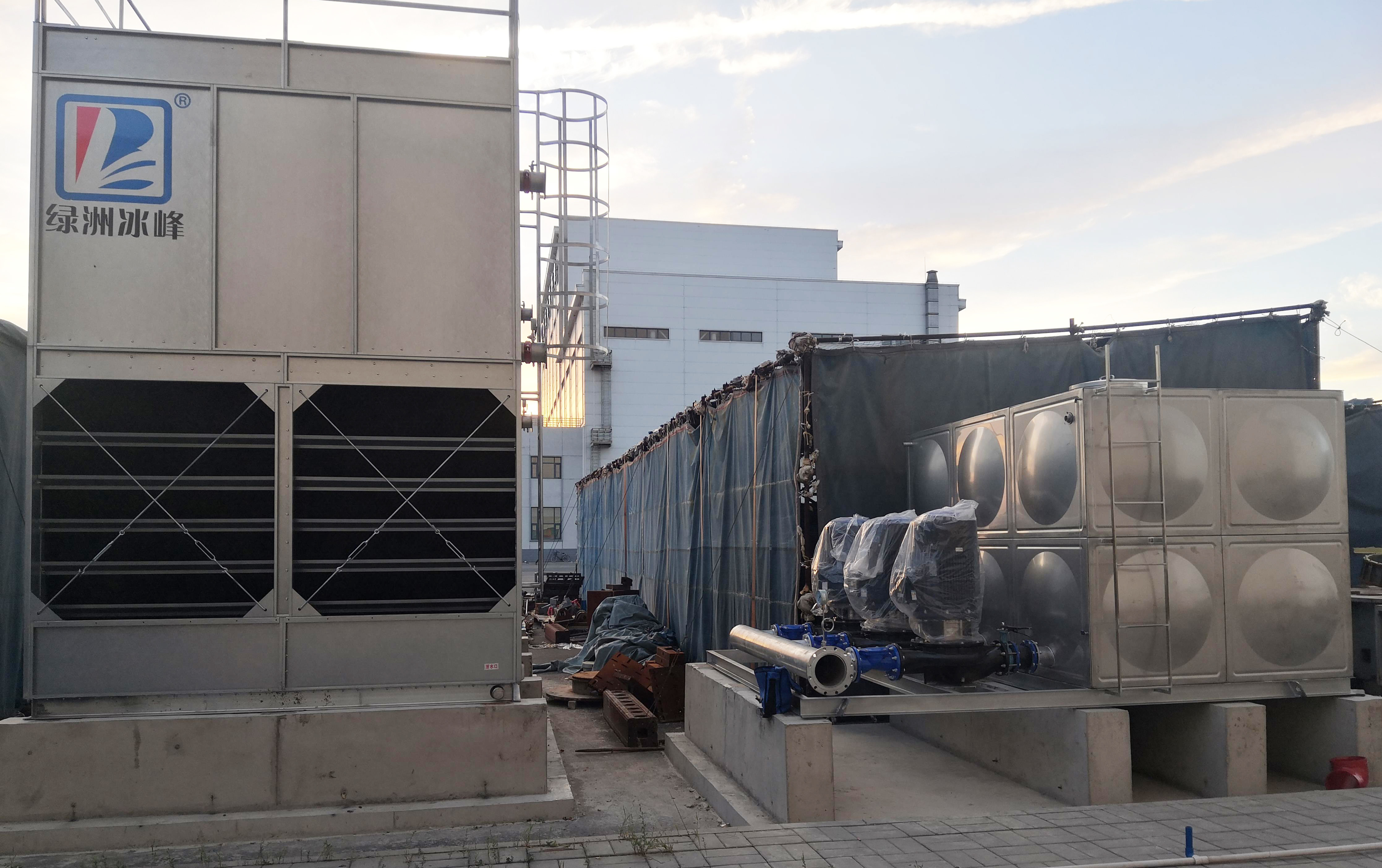
Summary: The Key Value of Closed-Loop Cooling Towers in the Air Compressor Field
Energy Saving :Intelligent temperature control + waste heat recovery, reducing overall energy consumption by 20-50%.
Environmental Protection :Reduces water waste, no water drift pollution, meets green factory standards.
Reliability :Extends the life of key air compressor components (rotor, bearings) by more than 30%.
Adaptability :Stable operation from -30℃ cold to 50℃ high temperature environments.
Through the above applications, closed-loop cooling towers have become core components for optimizing energy efficiency and improving the reliability of modern air compressor systems, with significant advantages in high-end manufacturing and harsh industrial scenarios.
Closed-circuit cooling tower,Closed-circuit cooling tower manufacturer,Cooling tower,Closed-circuit cooling tower,Closed-circuit cooling tower,Evaporative condenser,Counterflow closed cooling tower,Crossflow closed cooling tower,Closed-circuit cooling tower with compound flow,Wet and dry cooling tower,Evaporative cooler



Oasis Bingfeng Fluid Equipment Co.,Ltd
Contact Phone:+86 4000 616 676
Fax:+86 0310 3178005
E-mail:sales@hdbingfeng.com
Contact Address:No.1, Happiness Road, Feixiang Economic Development Zone, Handan City, Hebei Province
Copyright©2024 Oasis Bingfeng fluid equipment co., ltd