


NEWS CENTER
Oasis Iceberg
02
2024
-
08
What are the technological innovations of closed-circuit cooling towers compared to open-circuit cooling towers?
Compared to open cooling towers, closed cooling towers feature several technological innovations, primarily in the following aspects:
Closed-circuit cooling towers compared to open-circuit cooling towers have several technological innovations, mainly in the following aspects:
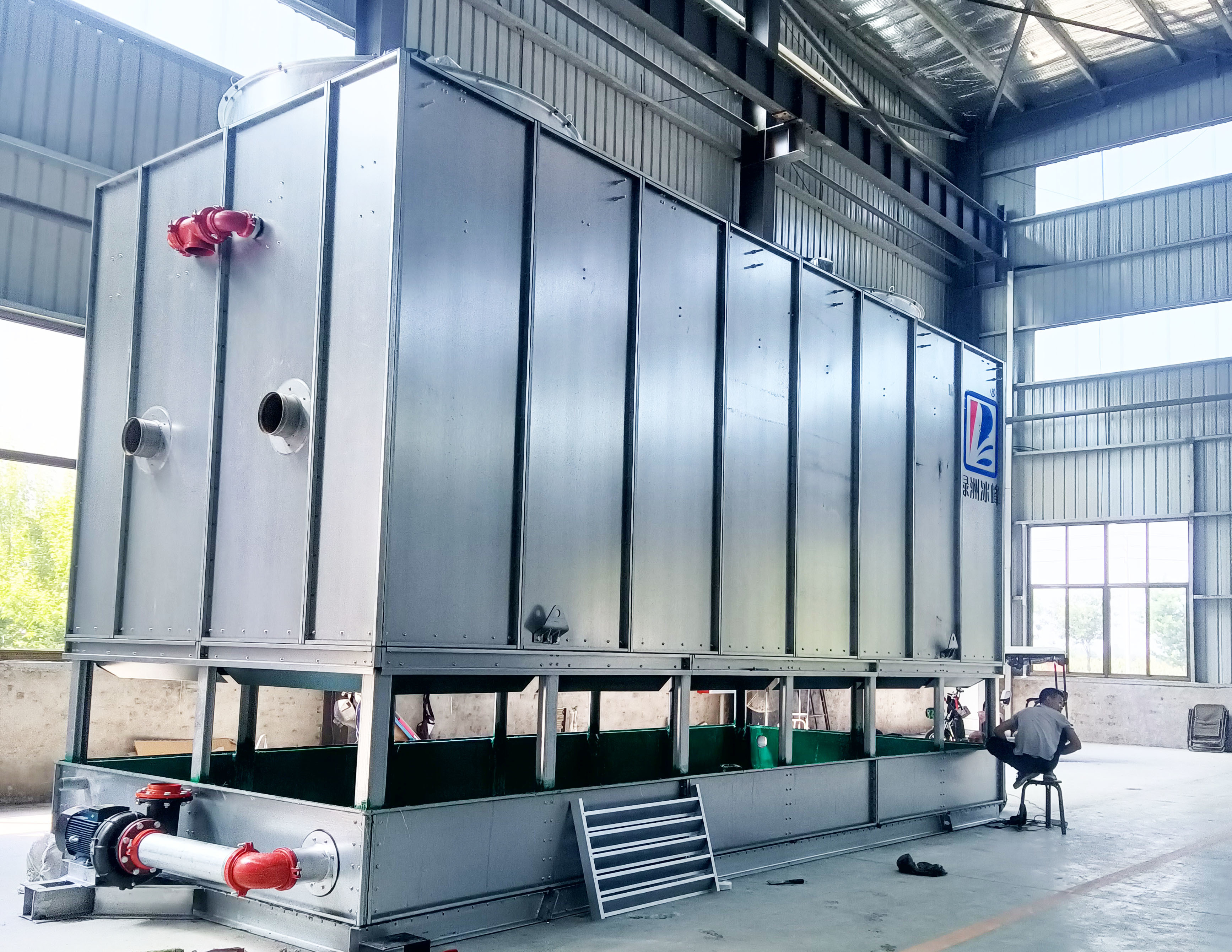
Design Differences:
The design feature of a closed-circuit cooling tower is that its circulating water system is completely isolated from the external environment, meaning that the cooling water circulates within the tower without direct contact with the atmosphere. This design typically uses ethylene glycol or other non-aqueous media as the circulating fluid.
Open-circuit cooling tower designs allow the circulating water to come into direct contact with the atmosphere, exchanging heat with the falling air through the fill layer to lower the temperature.
Material Selection:
Closed-circuit cooling towers typically use corrosion-resistant and high-temperature-resistant materials such as 304 stainless steel and magnesium-aluminum-zinc plated steel to improve system durability and service life.
Fill Design:
The fill design in closed-circuit cooling towers helps improve cooling efficiency, reduce system size, and lower energy consumption. Some advanced fill designs can also reduce the size of water droplets, reduce atomized water volume, and reduce the likelihood of scale formation. 
Airflow Design:
The airflow design of a closed-circuit cooling tower ensures uniform airflow distribution within the cooling tower, improving heat exchange efficiency. Optimized airflow design also helps reduce water droplet carryover and water loss.
Fan Technology:
Closed-circuit cooling towers use efficient, low-noise fan technology to improve fan efficiency and overall system performance. Some systems also have adjustable speed functions to adjust the fan speed as needed.
Automatic Control System:
Closed-circuit cooling towers are typically equipped with advanced automatic control systems that can monitor and adjust system parameters such as water temperature, flow rate, and water quality in real time. This helps improve system stability, efficiency, and operability.
Descaling Device:
The descaling device included in the closed-circuit cooling tower design prevents scaling of dissolved substances in the water through physical or chemical means. These devices can reduce system downtime and improve equipment reliability.
Water-Saving Innovation:
Closed-circuit cooling towers achieve water-saving innovations through optimized design and technology, reducing evaporation and wastewater discharge, while also using methods such as dry-wet mixed cooling to improve water-saving effects.
Intelligent Control:
Closed-circuit cooling towers may incorporate intelligent control systems in the future, using sensors and network technology to monitor, control, and optimize the operating status of the cooling tower, improving cooling efficiency and energy saving and emission reduction effects.
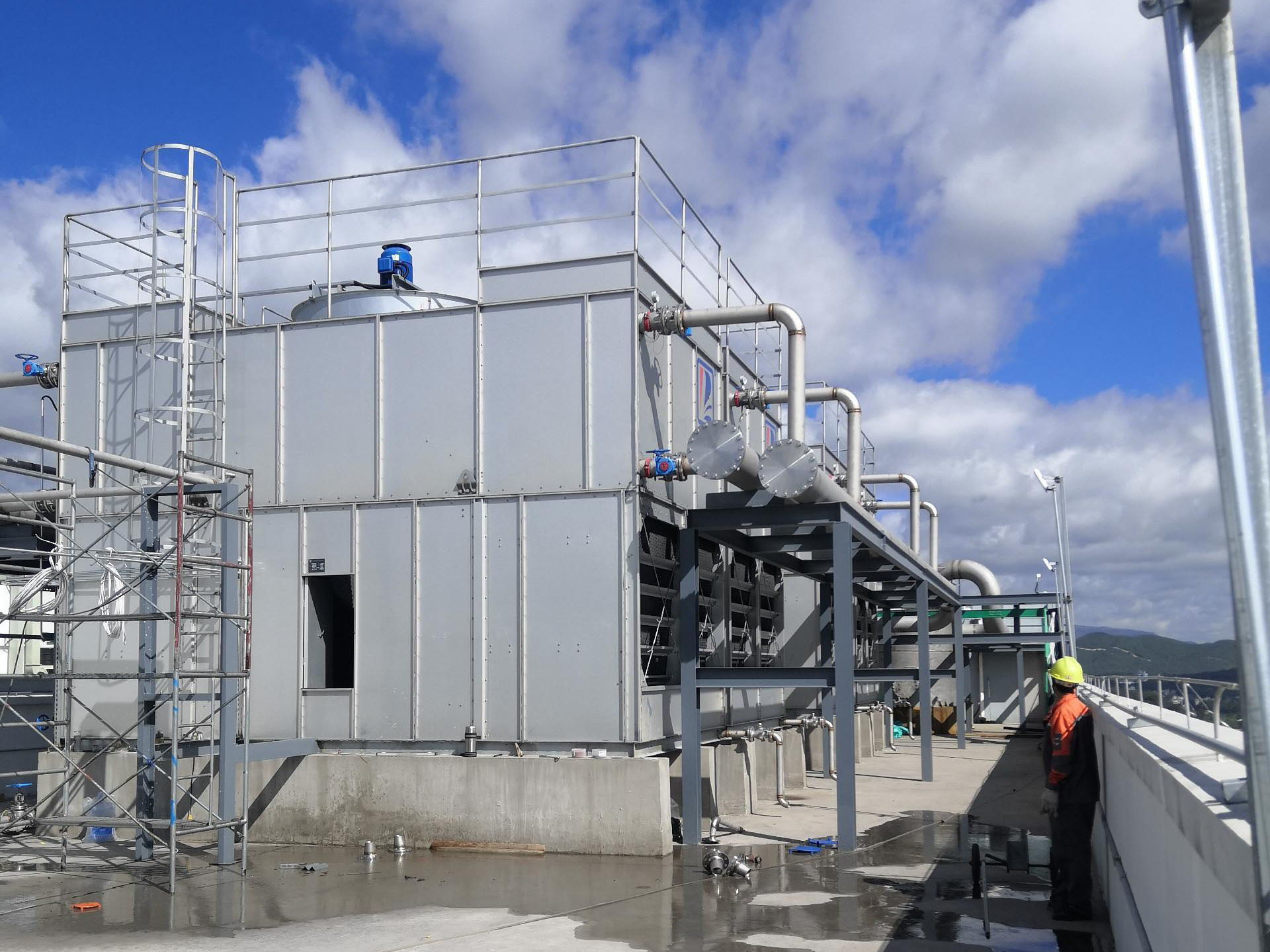
In summary, compared to open-circuit cooling towers, closed-circuit cooling towers have significant technological innovations in material selection, fill design, airflow design, fan technology, automatic control systems, descaling devices, and water-saving innovations. These innovations not only improve cooling efficiency and reduce energy consumption, but also enhance system stability and reliability, extending equipment service life.
Closed-circuit cooling tower,Evaporative cooling,Closed-circuit cooling tower manufacturers,Closed-circuit cooling tower price,Wet and dry cooling tower,Closed-circuit cooling tower,Industrial circulating water cooling



Oasis Bingfeng Fluid Equipment Co.,Ltd
Contact Phone:+86 4000 616 676
Fax:+86 0310 3178005
E-mail:sales@hdbingfeng.com
Contact Address:No.1, Happiness Road, Feixiang Economic Development Zone, Handan City, Hebei Province
Copyright©2024 Oasis Bingfeng fluid equipment co., ltd